
Why Cavities Develop Even If You Brush Every Day
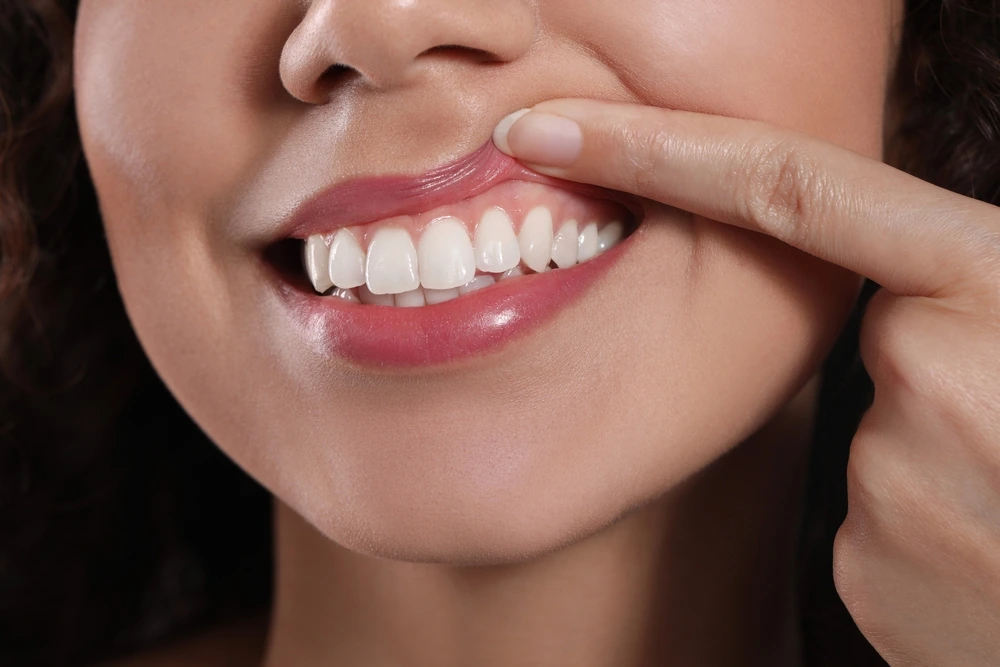
There is a frustrating moment many of us know all too well. You sit back in the dental chair, diligently waiting for the clean bill of health you feel you've earned with months of faithful brushing, only to hear those dreaded words: "We found a small cavity."
It feels completely unfair. You stand at the sink twice a day, squeeze out your toothpaste, and scrub away. So why on earth are cavities still showing up?
The truth is that a toothbrush is an incredible tool, but it is not a magic wand. Brushing is the absolute bedrock of a healthy mouth, yet it only covers a portion of what is happening inside your smile. Cavities develop through a complex mix of chemistry, biology, anatomy, and everyday habits that brushing alone simply cannot reach. Unpacking why decay still sneaks in can help you adjust your routine and save you from unexpected dental work down the road.
The Real Story Behind Tooth Decay
To understand why cavities form despite your best efforts, it helps to look at what is actually happening on the microscopic level. Your mouth is a bustling ecosystem home to hundreds of different bacteria. When you eat or drink, especially foods containing sugars and starches, certain bacteria feed on those remnants and produce acid as a byproduct.
This acid attacks your tooth enamel, temporarily stripping it of vital minerals like calcium and phosphate. Fortunately, your saliva acts as a natural repair kit, neutralizing acids and putting those minerals right back where they belong. It’s a constant tug-of-war between demineralization and remineralization.
When the scale tips too far toward acid attacks, the enamel breaks down permanently, creating a microscopic hole, or cavity. Because your toothbrush can’t alter your saliva chemistry or change the physical shape of your teeth, decay can still find a foothold even if your brushing technique is flawless.
The Spaces Your Toothbrush Can't Reach
The most common reason people get cavities despite daily brushing comes down to simple geometry. A standard toothbrush has flat or slightly angled bristles designed to sweep across wide, smooth surfaces. But human teeth are wonderfully complex, featuring deep grooves, tight contacts, and hidden angles.
Consider the spaces directly between your teeth. Unless you use floss, interdental brushes, or a water flosser every single day, the bristles of your toothbrush physically cannot fit into those narrow gaps. Plaque accumulates undisturbed in these hidden zones, quietly producing acid right where the enamel of two adjacent teeth presses together. Interproximal cavities, those that form between the teeth, are among the common issues dentists find in patients who swear they brush religiously.
Beyond flossing gaps, the top chewing surfaces of your back molars are riddled with deep, winding pits and fissures. In some people, these grooves are so narrow that the individual filaments of a toothbrush bristle are too thick to sweep out the microscopic food debris trapped inside. That is often where early decay gets its start, completely out of reach of ordinary daily brushing.
The Hidden Impact of What and When You Eat
We all know sugar causes cavities, but the frequency of your snacking matters just as much as the amount of sugar you consume. Every single time you eat or sip something containing carbohydrates or sugars, the bacteria in your mouth produce acids that can lower the pH of your mouth.
If you are a chronic nibbler, sipping on a sweet coffee all morning, grazing on crackers in the afternoon, and snacking while working, your teeth are subjected to a nearly continuous bath of acid. Your saliva never gets a chance to catch its breath, neutralize the environment, and remineralize your enamel. Even if you brush twice a day, spending all day under a slow, steady stream of acid exposure can easily wear down your defenses.
Drinks play a massive role here, too. Sticky sodas, sweetened teas, and even flavored sparkling waters with hidden acidity coat the entire mouth instantly, sneaking into areas that brushing hours later cannot immediately rescue.
Biological Factors Beyond Your Control
Sometimes, developing a cavity has very little to do with your daily habits and everything to do with your individual biology. We are simply not all built the same way.
- Enamel thickness and genetics: Some people naturally inherit thicker, more mineral-dense tooth enamel that resists acid remarkably well. Others have thinner or softer enamel, making their teeth inherently more vulnerable to decay no matter how carefully they brush.
- Saliva flow and composition: Saliva is your mouth's unsung hero. It washes away debris, fights bacteria, and delivers repair minerals. If you experience dry mouth, whether due to natural aging, stress, or common prescription medications for blood pressure, allergies, or anxiety, your natural defense system drops significantly. Without enough saliva, decay can progress at a startling speed.
- Tooth alignment: Crowded, overlapping, or rotated teeth create difficult cleaning angles. When teeth overlap tightly, it becomes exceptionally difficult for both brushing and flossing to clear away plaque effectively, turning those crowded spots into high-risk zones for cavities.
Refining Your Routine to Outsmart Cavities
Realizing that brushing alone isn't a bulletproof shield doesn't mean your daily routine is pointless, far from it. Rather, it means you can elevate your home care to cover the gaps.
Adding daily interdental cleaning is the single most impactful adjustment you can make. Clearing out the spaces between your teeth takes away the primary breeding ground for hidden decay. Additionally, paying attention to how you brush matters. Rushing through a thirty-second scrub leaves plaque behind. Dedicating a full two minutes, using gentle circular motions, and avoiding aggressive horizontal scrubbing protects your gums while cleaning effectively.
When you pair an optimized home routine with professional oversight, you finally close the loop on preventable decay. This is where routine preventive dentistry in Walpole, MA becomes so invaluable, catching early mineral loss before it progresses into physical cavities.
Finding Answers Through Open Dialogue
Every smile tells a unique story, and figuring out why you might be prone to occasional cavities requires a personalized look at your habits, diet, and oral anatomy. The next time you sit in the dental chair, don't hesitate to ask your dental team for a frank assessment of your risk factors. Understanding the specific mechanics behind your smile allows you to stop guessing and start protecting your teeth with confidence.
Schedule Your Preventive Visit Today
Whether you want to get to the bottom of recurring decay or simply want a trusted partner to help keep your smile healthy, Unident Dental Group is here for you. Experience comfortable, personalized preventive dentistry in Walpole, MA by giving our friendly team a call today to book your next checkup and cleaning!
Frequently Asked Questions
Q: Can a cavity heal itself once it starts?
A: In its earliest stages, before a physical hole forms in the enamel, decay can actually be reversed. This early phase may appear as a chalky white spot where minerals have been lost. Through improved home hygiene, fluoride treatments, and professional oversight, those minerals can be redeposited, remineralizing the enamel and stopping the cavity from progressing.
Q: Does the type of toothbrush I use make a real difference?
A: Yes, it certainly can. Electric toothbrushes can remove more plaque than manual brushes for some people because they provide consistent brushing movements with less effort on your part. If you struggle with manual technique or tend to brush too aggressively, switching to an electric model with a pressure sensor may improve your home care results.
Q: Why do I get cavities in places where I always brush?
A: Cavities often form in areas where the physical anatomy of the tooth works against you. Deep, narrow grooves on the chewing surfaces of back teeth or microscopic pits in the enamel can trap bacteria so tightly that toothbrush bristles are simply too wide to reach the bottom. That is why preventive measures like dental sealants are often recommended to protect those vulnerable areas.


Hours
Monday: 9 a.m.–4 p.m.
Tuesday: 9 a.m.-4 p.m.
Wednesday: 9 a.m.-5 p.m.
Thursday: 9 a.m.-6 p.m.
Friday: 9 a.m.-6 p.m.
Saturday: Closed
Sunday: Closed




© 2026 Unident Dental Group | All Rights Reserved | Privacy Policy | HIPAA Policy | Website Design by Remedo