What Happens If Sleep Apnea Goes Untreated?
It is easy to think of sleep as a quiet chunk of time when your body just clicks off to rest. But sleep is actually an intense, incredibly active maintenance window. It is when your brain flushes out daily waste, your tissues patch themselves up, and your heart finally gets a chance to slow down and catch its breath. When that cycle gets broken up throughout the night, the fallout hits almost every single part of your health.
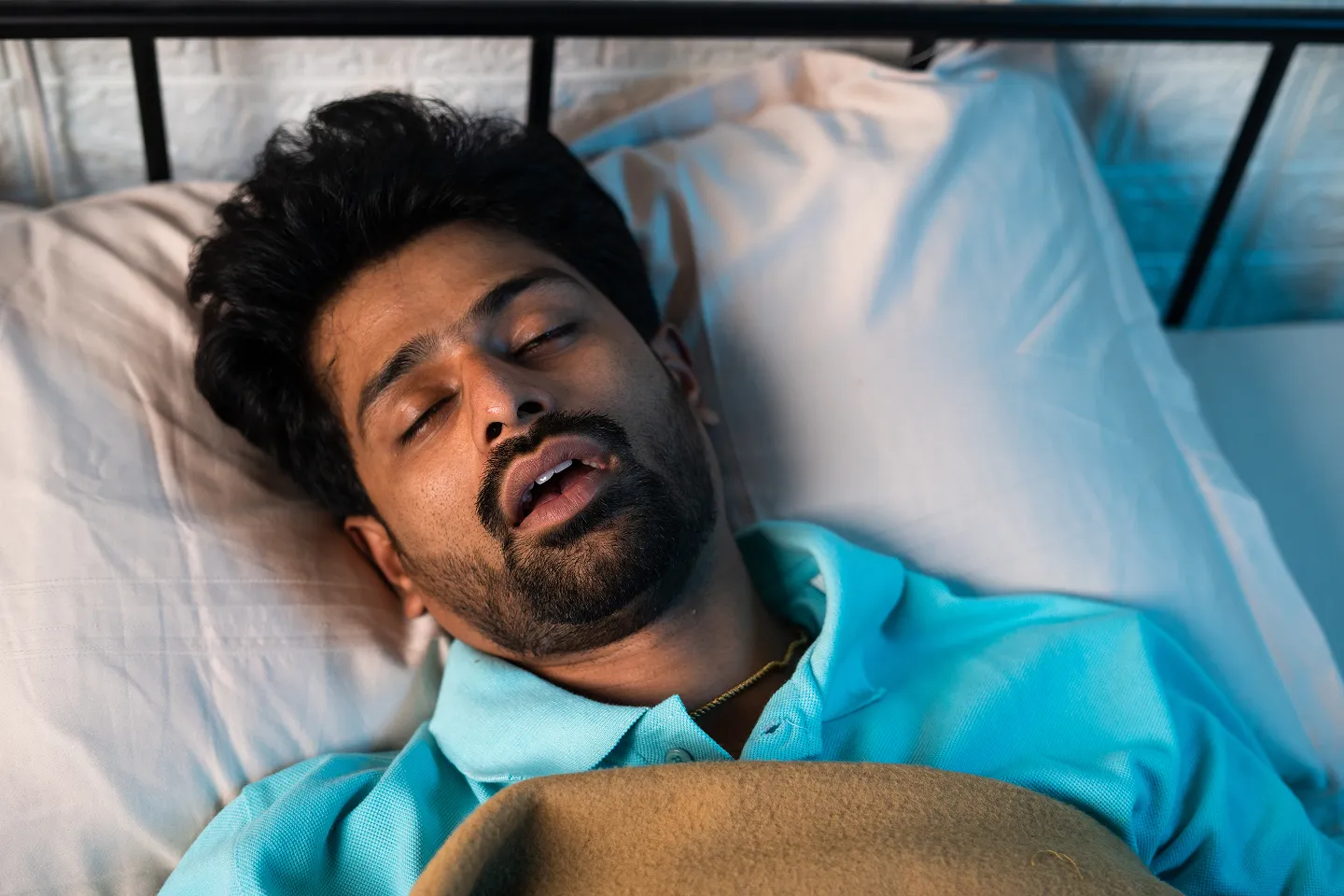
One of the biggest culprits behind ruined sleep is obstructive sleep apnea. It is a simple mechanical issue with a massive impact: while you sleep, the muscles at the back of your throat relax a bit too much, causing your airway to narrow or close up entirely. This cuts off your oxygen supply, forcing your brain to startle you partially awake just so you can gasp for air.
A lot of people laugh off heavy snoring or constant afternoon fatigue as just a normal part of getting older or surviving a hectic week. But leaving sleep apnea to run wild does a real number on your body over time. At Unident Dental Group in Walpole, MA, we focus on how the structure of your mouth and jaw affects how you breathe, helping you see the bigger picture of your long term wellness.
The Daily Grind: Living In A Permanent Fog
When you are dealing with sleep apnea, your airway can close down dozens or even hundreds of times a night. You might not remember waking up to breathe, but your sleep architecture is still shattered. You miss out on the deep, restorative sleep stages that keep your mind sharp.
Living With Constant Exhaustion
The most obvious sign that something is wrong is waking up feeling just as wiped out as when your head hit the pillow. You find yourself fighting to keep your eyes open during morning meetings, spacing out at your desk, or downing extra coffee just to survive the afternoon slump. This is not just normal tiredness; it is deep, systemic sleep deprivation.
Brain Fog And Shifting Moods
Missing out on deep rest leaves your brain struggling to function. People dealing with unmanaged sleep apnea often find themselves forgetting simple things, losing their train of thought, and reacting slower to everyday situations. Because an exhausted brain cannot regulate stress well, you might also find yourself feeling unusually anxious, snappy, or easily frustrated over minor setbacks.
Real World Safety Risks
This is where poor sleep becomes an immediate danger. Getting behind the wheel or trying to do physical work when you are completely drained is incredibly risky. Sleep deprivation dulls your reflexes just as much as alcohol does, making you much more vulnerable to sudden lapses in attention or micro sleeps on the road.
The Hidden Stress On Your Vital Organs
The real danger of sleep apnea happens under the surface. Every time your breathing stops, your blood oxygen levels tank. Your brain reacts by triggering a survival panic, pumping out stress hormones like adrenaline and cortisol to get your airway open. Facing this internal emergency over and over again every single night wears out your body.
High Blood Pressure And Heart Strain
When your oxygen drops, your heart has to pump furiously to keep your organs supplied. This constant nighttime pressure eventually spills over into your day, leading to chronic high blood pressure. Over time, keeping your cardiovascular system in this hyper stressed state weakens the heart muscle, making you far more vulnerable to serious heart issues or a stroke down the road.
Metabolic Roadblocks And Weight Struggles
Sleep is the main supervisor for the hormones that handle your appetite and metabolism. When your rest is broken, your body makes more ghrelin, the hormone that makes you crave food, and less leptin, the hormone that tells you you are full. You end up facing intense cravings for heavy, sugary foods. This makes managing your weight feel like an uphill battle, creating a frustrating loop where weight gain makes the airway tighter, worsening the sleep apnea.
Blood Sugar Imbalances
Those frequent nightly rushes of adrenaline do more than raise your heart rate; they also mess with how your cells handle insulin. When your body stops responding properly to insulin, your blood sugar levels start creeping up. Because of this internal strain, people with unmanaged sleep apnea face a much higher risk of developing type 2 diabetes.
The Surprising Connection To Your Dentist
It catches many people off guard to learn that a dental clinic is often the first line of defense against sleep apnea. Since your mouth, tongue, and jaw form the actual entryway for your breath, their physical alignment directly dictates how well you breathe when you are unconscious.
What We Look For
During a routine cleaning and checkup, a dentist can see structural cues that point to an airway problem. Things like an unusually large tongue, a low hanging soft palate, or a small lower jaw that pinches the throat when you lie down are major clues. Dentists also keep a sharp eye out for severely worn down teeth or broken fillings. When your airway closes at night, your jaw often clenches and grinds automatically as your body desperately tries to reopen the airway.
Moving Beyond The CPAP: Oral Appliances
For people with mild to moderate sleep apnea, or those who simply cannot sleep while hooked up to a loud CPAP machine, a custom dental device can be a lifesaver. These specialized mouthguards are made to fit your teeth exactly and are only worn at night. They work by gently guiding your lower jaw just a fraction of an inch forward. This tiny shift keeps your tongue and throat tissues from sliding backward, keeping your airway clear so you can breathe quietly and sleep straight through the night.
Is an Oral Appliance Right for You?
If you are tired of the noise and bulk associated with traditional CPAP therapy, it might be time to explore a more comfortable alternative. These devices are often easier to pack for travel, silent to wear, and far less intrusive for your bedtime routine.
If you are ready to reclaim your rest, please reach out to Unident Dental Group today. We can discuss whether an oral appliance is a suitable option to help you breathe easier and wake up feeling refreshed.
Frequently Asked Questions
Q: Does loud snoring always mean someone has sleep apnea?
A: Not necessarily. While heavy snoring is a major warning sign for sleep apnea, you can snore without actually stopping breathing. Things like a stuffy nose, allergies, or naturally loose throat tissue can cause snoring too. The only way to know for sure what is happening is to complete a proper sleep study.
Q: Can losing weight or changing my habits cure it?
A: For some people, losing weight, avoiding alcohol before bed, or switching from sleeping on their back to their side makes a significant difference. However, if your sleep apnea is caused by your natural bone structure or a large tongue, lifestyle changes usually are not enough on their own, and you will likely need a dental or medical solution.
Q: Why does having a drink before bed make my sleep apnea worse?
A: Alcohol relaxes your muscles, including the ones inside your mouth and throat. When those tissues become overly relaxed close to bedtime, they collapse into your airway much more easily, leading to more breathing interruptions throughout the night.
Q: How quickly will I notice a difference once I start treatment?
A: Many people notice improvements in their morning energy, focus, and mood within the first few nights of using the right treatment. The deeper health benefits, such as improved blood pressure and blood sugar control, typically develop over the following months.
Q: Are those cheap snoring mouthguards online the same as a dentist's device?
A: Not at all. Store bought guards are mostly designed to reduce snoring or protect against grinding, but they cannot account for your unique airway anatomy. A professional dental appliance is custom made and carefully adjusted to move your jaw safely without harming your jaw joints or affecting your bite.


Hours
Monday: 9 a.m.–4 p.m.
Tuesday: 9 a.m.-4 p.m.
Wednesday: 9 a.m.-5 p.m.
Thursday: 9 a.m.-6 p.m.
Friday: 9 a.m.-6 p.m.
Saturday: Closed
Sunday: Closed



© 2026 Unident Dental Group | All Rights Reserved | Privacy Policy | HIPAA Policy | Website Design by Remedo