
What Happens During an Oral Cancer Screening at Your Dentist?
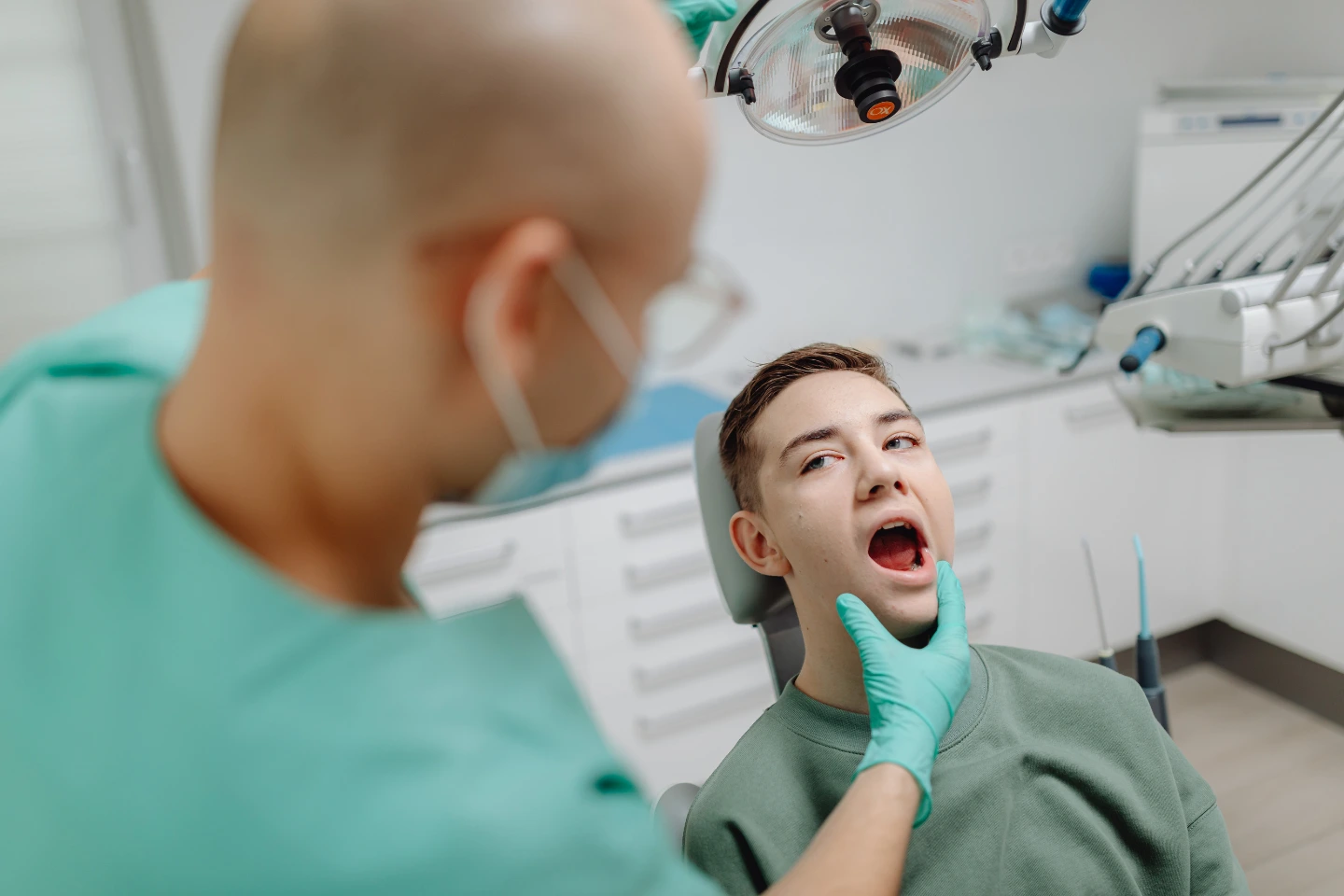
Most of us stroll into the dental office expecting a pretty standard routine. You lean back in the chair, endure the minty polish, listen to a gentle reminder about flossing, and figure you are all set. We tend to focus entirely on cavities, gleaming enamel, and gum health. Yet your routine dental appointment quietly accomplishes something much bigger right beneath the surface. It acts as a major safety net for your general well-being.
When you settle into that chair, your dental crew is observing a whole lot more than just your teeth. They carefully scan the soft tissues throughout your mouth, jaw, and neck, searching for subtle shifts that most people would never spot on their own. For anyone visiting Unident Dental Group in Walpole, MA, getting an oral cancer screening in Walpole, MA is a seamless, painless part of preventive care that adds just a couple of minutes to your visit while offering incredible peace of mind.
If you have ever wondered what actually goes on during that quick portion of your checkup, you are far from alone. Plenty of people assume it involves complicated gadgets or awkward tests. In reality, it is a straightforward physical evaluation designed to catch potential concerns right at the start. Let us walk through how the process unfolds.
Why Routine Soft Tissue Checks Matter
Before looking at the mechanics of the exam, it helps to see why your dentist pays such close attention to soft tissues. Oral changes often start out quietly, rarely causing pain or irritation in the earliest stages. Because catching things early vastly improves health outcomes, spotting a questionable spot before it develops further makes all the difference.
Your dentist and hygienist undergo specific training to notice microscopic changes in tissue texture, unusual color shifts, and tiny bumps that simply do not belong. By weaving these checks into standard cleanings, your dental team becomes your first line of defense against unexpected health complications.
Step 1: The Visual Check of Your Face and Neck
The screening usually kicks off before you even open your mouth. Your clinician will gently press along your face, jawline, and neck using their fingertips.
They are checking for symmetry, tenderness, swelling, or strange lumps hiding beneath the skin. They will trace your lymph nodes and the sides of your windpipe. If you have ever had a doctor feel your throat during a rough winter cold, this part will feel quite familiar. It lets the team catch enlarged glands or deep tissue bumps that might signal an underlying issue.
Step 2: Inspecting Your Lips and Outer Tissues
Next, the clinician turns their focus directly to your mouth, starting by pulling back your lips to check both the inner and outer surfaces.
Lips take quite a beating day in and day out, particularly from sun exposure. Your dentist checks for persistent dry patches, cracks that refuse to heal, or weird color spots. They might ask you to open and close your mouth slightly just to observe how your tissues move and whether any particular area feels stiff or restricted.
Step 3: Checking Inside Your Cheeks and Gums
After finishing with the lips, the team moves inside. Armed with a small dental mirror and a bright light, they examine the lining of your cheeks and your gum tissues.
They hunt for rough patches, red or white spots, and areas that feel thicker than normal. You might hear a request to say "ah" or slide your tongue from side to side so they can see every angle. This part of the process is totally painless. You will likely feel a gentle press of the mirror against your cheek, and that is about it.
Step 4: Examining Your Tongue and the Floor of Your Mouth
Your tongue and the bottom of your mouth get extra attention because unusual tissue shifts frequently pop up in these hidden spots.
Your dentist often uses a piece of gauze to hold the tip of your tongue gently, shifting it around to inspect the top, bottom, and edges. They also check underneath the tongue along the floor of your mouth, which happens to be a common hiding place for subtle lesions. It might feel slightly unusual to have your tongue held, but the team handles this constantly and keeps you relaxed.
Step 5: Checking Your Palate and Throat
To wrap up the visual sweep, the clinician asks you to tilt your head back a bit so they can look at the roof of your mouth, known as the palate, along with the back of your throat.
They check for unusual bumps, swelling, or color variations near the tonsils. Once that final look wraps up, the whole screening is finished. It usually takes less than two minutes total, blending right into your standard cleaning without skipping a beat.
What Happens If They Spot Something Unusual?
A common worry among patients is what happens if the dentist actually finds a questionable spot. First off, take a deep breath: spotting an unusual patch or sore does not mean you have oral cancer.
Our mouths deal with constant friction, hot coffee burns, and random canker sores all the time. If your dentist notices an area that looks a bit off, they might simply ask you to watch it and drop by for a quick check in two weeks to see if it clears up. If a spot looks more stubborn or has lingered for a while, they could suggest a simple biopsy or connect you with a trusted specialist for a closer look. Getting clear answers early is always the smartest route.
Prioritize Your Preventive Dental Care
Are you due for a checkup, or has it been a while since your last soft tissue evaluation? Taking care of your health is easier than you think with the right team in your corner. At Unident Dental Group in Walpole, MA, we prioritize your overall wellness while keeping preventive care comfortable and straightforward. Reach out to our office today to schedule your visit and request your next comprehensive oral cancer screening in Walpole, MA.
Frequently Asked Questions
Q: Do I need to request an oral cancer screening specially, or is it automatic?
A: At most modern dental offices, including Unident Dental Group, a visual and physical soft tissue check comes included automatically as part of your routine dental exam.
Q: Is an oral cancer screening painful or uncomfortable?
A: Not at all. The screening is entirely non-invasive and painless. You will only feel the clinician gently looking inside your mouth with a mirror and feeling the outside of your jaw and neck.
Q: How often should I get screened for oral cancer?
A: Dentists generally perform a visual soft tissue check during every routine semi-annual dental visit, meaning you get screened twice a year just by keeping up with standard cleanings.
Q: Can I check my own mouth for signs of oral cancer at home?
A: Yes. Doing a monthly self-exam in front of a bright mirror helps you notice new sores, lumps, or color shifts early. However, home checks don't replace an evaluation by a trained professional.
Q: What are the main risk factors associated with oral cancer?
A: Key risk factors include tobacco use in any form, heavy alcohol consumption, excessive sun exposure to the lips, and certain strains of the human papillomavirus (HPV).


Hours
Monday: 9 a.m.–4 p.m.
Tuesday: 9 a.m.-4 p.m.
Wednesday: 9 a.m.-5 p.m.
Thursday: 9 a.m.-6 p.m.
Friday: 9 a.m.-6 p.m.
Saturday: Closed
Sunday: Closed



© 2026 Unident Dental Group | All Rights Reserved | Privacy Policy | HIPAA Policy | Website Design by Remedo