
Toothache at Night: Why It Gets Worse
It is a situation many of us know all too well. You get through a busy day with just a mild, occasional twinge in your mouth. You barely think twice about it. But the moment you finally turn off the lights, climb into bed, and try to settle down for some sleep, that minor annoyance flares up into a relentless, throbbing ache.
Trying to rest while your jaw is pounding is incredibly frustrating. It turns out that this nighttime spike in pain is one of the most frequent complaints dental teams hear about. At Unident Dental Group in Walpole, MA, we know how exhausting these sleepless nights can be. Understanding exactly what is happening inside your body when you lie down can help you manage the discomfort safely while you wait to get into the clinic.
Let's look at why your body seems to work against your oral comfort the second your head hits the pillow.
The Mechanics Behind Nighttime Tooth Pain
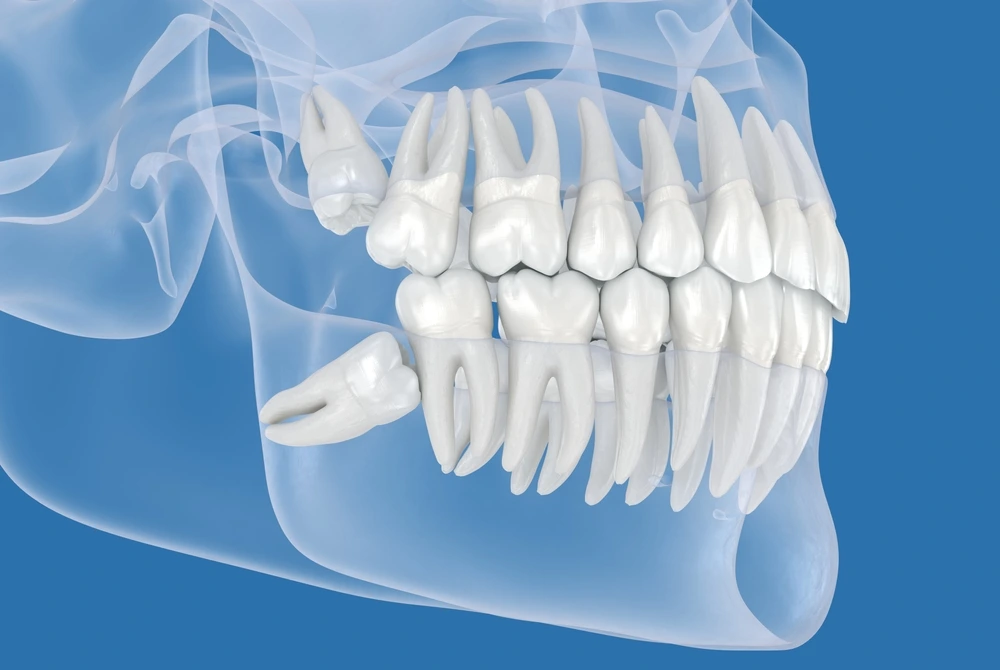
To understand why timing matters so much, it helps to look at how a tooth is built. The tough outer layers, the enamel and dentin, protect a soft, highly sensitive center known as the pulp. This internal chamber is packed with delicate nerves and blood vessels. When this area gets inflamed or infected, even tiny shifts in pressure cause immediate discomfort.
When you get ready for bed, a few specific changes in your posture and environment come together to trigger that sharp increase in throbbing.
Shifts In Blood Flow And Posture
The biggest culprit behind nighttime toothaches is simply gravity. Throughout the day, whether you are walking around, sitting at a desk, or standing up, your heart pumps blood across your entire body, but gravity naturally keeps a lot of that fluid moving downward toward your lower limbs.
Everything changes when you lie down flat. Moving into a horizontal position causes a sudden shift in blood distribution, allowing more blood to pool in your head and neck area. This extra volume can increase pressure around inflamed tissues in your jaw. Because the hard casing of your tooth cannot expand to make room for this increased blood flow, the nerves inside are squeezed, leading to that heavy, pulsing ache.
A Quiet Mind And Zero Distractions
During the daytime, your brain is completely occupied. You are answering emails, holding conversations, navigating traffic, watching television, or listening to music. This constant stream of sensory input acts as a built-in volume knob for physical discomfort. Your brain is simply too busy processing the world around you to focus entirely on a dull ache.
When the house goes quiet and you are left alone in the dark, those everyday distractions completely vanish. With nothing else to focus on, your mind homes in on the pain signals coming from your mouth. The physical damage inside the tooth might be exactly the same as it was at noon, but your personal awareness of the pain feels much louder and more intense.
Nocturnal Teeth Grinding And Clenching
Many people unconsciously squeeze their jaws together or grind their teeth back and forth while sleeping, a habit called nocturnal bruxism. If you already have an underlying dental issue, like an open cavity, a microscopic crack, or an old, loose filling, the heavy pressure of grinding will make things much worse. This constant mechanical stress irritates the deep ligaments holding your tooth in place, waking you up with a sore, tender jaw.
Sinus Pressures And Sleeping Positions
Your upper back teeth sit directly below your maxillary sinuses. When you lie flat, sinus fluids can pool in your sinus cavities, especially if you are dealing with seasonal allergies, a cold, or congestion. This accumulation builds up localized pressure that presses right down onto the root tips of your upper teeth. This specific kind of ache can feel identical to a deep cavity, sometimes making it tricky to tell whether you need a dentist or a decongestant.
Root Causes Of Ongoing Dental Discomfort
While physical changes explain why the pain peaks at night, they do not explain what started the problem. A perfectly healthy tooth generally will not throb when you change positions. A midnight flare-up is usually a clear signal that something needs attention under the surface.
- Deep Dental Decay: When a cavity breaks completely through the enamel and invades the dentin or internal pulp, bacteria cause painful swelling.
- A Dental Abscess: A localized bacterial infection at the base of the root can cause a persistent, radiating ache that travels to your ear and neck.
- Progressive Gum Issues: Advanced gum problems cause the tissue to pull away from the tooth, exposing sensitive roots and creating tender, inflamed pockets.
- Structural Trauma: An old injury, a hidden fracture, or a cracked dental crown can expose inner nerves to everyday pressure and temperature changes.
Simple Ways To Find Temporary Relief Before Your Visit
If you are dealing with an intense toothache in the middle of the night, your main priority is calming the area down enough to get a few hours of rest before calling for an appointment. It is important to remember that these home comfort tips are just temporary fixes to help you get through the night; they will not cure an infection or repair structural damage.
Keep Your Upper Body Elevated
Instead of resting flat on your mattress, stack two or three pillows to prop your head and upper body up at an angle. Keeping your head raised well above your heart limits the heavy rush of blood to your face, which can significantly ease the throbbing pressure inside your tooth.
Use A Cold Pack
Placing a cold gel pack or a bag of ice wrapped in a soft towel against your cheek can help numb the area. The cold temperature causes local blood vessels to narrow, reducing swelling and slowing down the sharp pain messages traveling to your brain. Try holding it there for about fifteen minutes at a time, giving your skin a break in between.
Keep The Area Clean
Sometimes, nighttime pain is aggravated by tiny food particles trapped tightly between your teeth and gums. Gently brush the area and use a strand of floss to clear out any hidden debris. Afterward, rinse your mouth thoroughly with warm salt water. Salt helps soothe irritated tissues and keeps the area clean until you can get a professional look.
Knowing When To Seek Urgent Attention
Not every dental ache can wait for a routine opening later in the week. It is always wise to keep a close eye on your symptoms to see if you need to look for immediate emergency care.
Consider reaching out for urgent help right away if you notice any of these warning signs:
- Distinct swelling in your cheek, jawline, or the gum tissue around the hurting tooth
- A noticeable fever, chills, or a general feeling of being unwell alongside the pain
- Any difficulty swallowing your food or breathing comfortably
- A sudden, foul taste or fluid release in your mouth, which often points to a ruptured abscess
- Pain that remains completely unmanaged despite taking standard over-the-counter relief options
If you are experiencing any of these symptoms, please do not wait. Reach out to the team at Unident Dental Group right away so we can assess your situation and provide the relief you need. Your health and comfort are our top priorities.
Frequently Asked Questions
Q: Can a midnight toothache just disappear on its own?
A: While mild gum irritation from a sharp piece of food might calm down after a good cleaning, a true toothache caused by deep decay or an internal nerve infection cannot heal without proper care. The pain might come and go, but the underlying issue will still need a dentist to fix it.
Q: Why does a warm salt water rinse help soothe my mouth?
A: Salt water naturally helps draw fluid out of swollen, inflamed tissues, which can take the edge off that tight, pressurized feeling. It also clears away loose bacteria and food debris, offering mild comfort to irritated spots.
Q: Is it a good idea to put a heating pad on my jaw for a toothache?
A: It is usually better to stick with cold packs. Applying direct heat to an active bacterial infection can increase blood circulation to the area, which might actually cause the swelling and inflammation to increase.
Q: Can a sinus issue make my lower teeth throb at night?
A: Sinus congestion typically impacts your upper back teeth because their roots sit right against the sinus floors. If your lower jaw is throbbing when you lie down, it is much more likely related to a specific dental issue or nighttime jaw clenching.
Q: What should I avoid eating or drinking right before bed if my tooth hurts?
A: Stay away from items that are freezing cold, very hot, highly acidic, or full of sugar. Damaged enamel and exposed nerves react strongly to extreme temperatures and sugars, which can trigger an intense ache right when you are trying to wind down.


Hours
Monday: 9 a.m.–4 p.m.
Tuesday: 9 a.m.-4 p.m.
Wednesday: 9 a.m.-5 p.m.
Thursday: 9 a.m.-6 p.m.
Friday: 9 a.m.-6 p.m.
Saturday: Closed
Sunday: Closed




© 2026 Unident Dental Group | All Rights Reserved | Privacy Policy | HIPAA Policy | Website Design by Remedo