
The Importance of Preventive Dentistry for Every Stage of Life
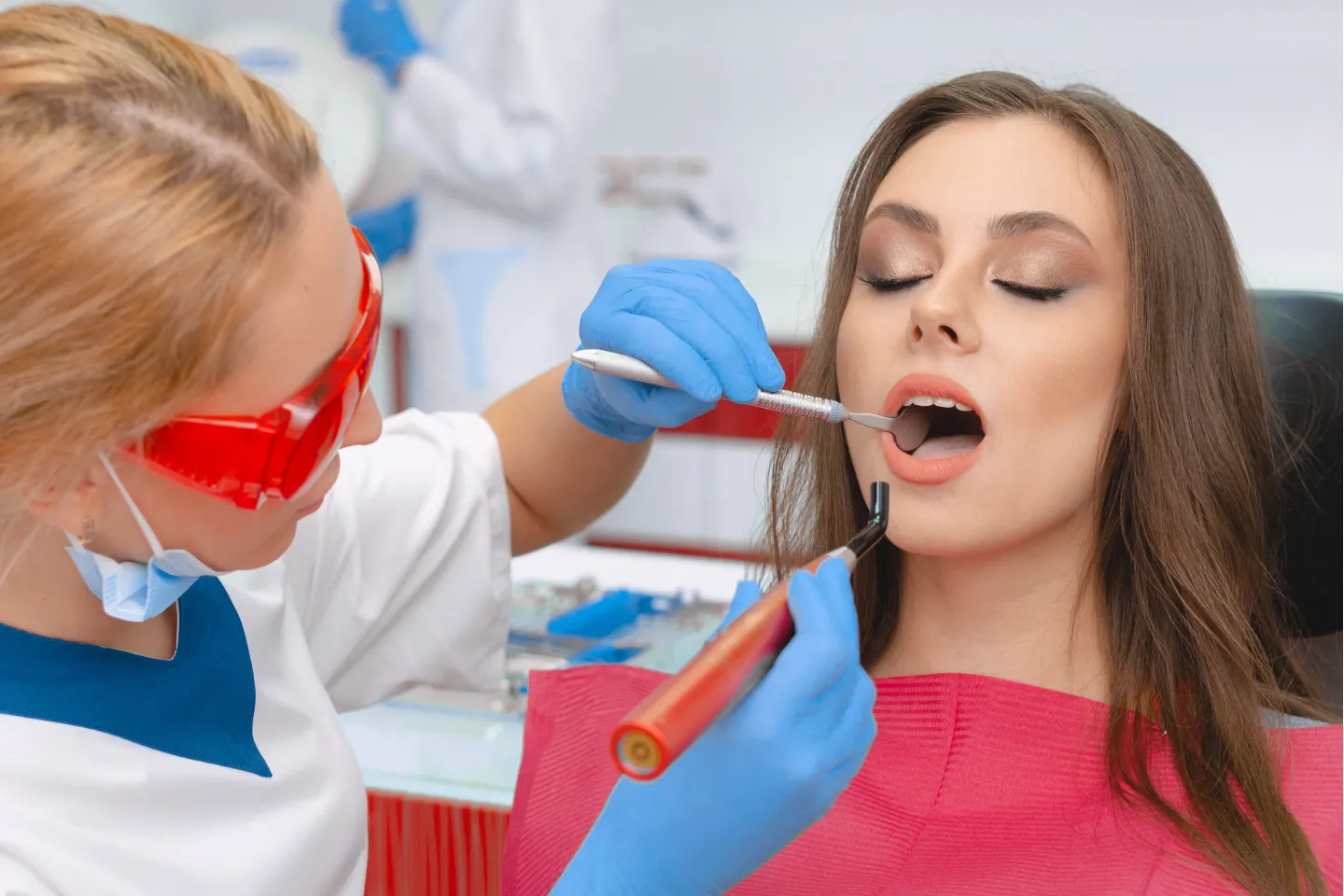
Most of us treat going to the dentist like taking a clunky sedan to the mechanic: we only show up after something starts making a terrible noise under the hood. A sudden zap of pain when sipping iced coffee or a tender spot you notice while flossing usually triggers that frantic call to the front desk. But true dental health happens way before any pain ever knocks on your door.
Your mouth isn't a static piece of architecture. It changes right along with you, shifting through weird, messy phases from your earliest toddler days straight on into retirement. Because your biology shifts over time, the way you maintain your teeth has to adapt, too.
Let's look at how preventive dentistry in Walpole, MA actually supports your smile through the chaos of every major life stage.
Childhood: Laying Down the Tracks
Long before kids sit in a dental chair for a real checkup, their oral health story is already in motion. Those tiny baby teeth aren't just temporary placeholders that fall out without consequence. They act as critical guides for jaw growth, facial structure, and clear speech. If a kid loses a baby tooth too early to decay, the neighboring teeth love to drift into the empty space, crowding out the permanent teeth waiting underneath.
Early pediatric visits are less about intense medical work and more about building basic comfort:
- The first trip: Bringing a toddler in around their first birthday gets them used to the weird noises, bright lights, and friendly faces so they don't grow up terrified of the clinic.
- Sealants: As soon as those first adult back molars pop through around age six, painting on thin plastic barriers keeps sticky food out of deep, impossible-to-clean grooves.
- Fluoride boosts: Quick, painless varnishes give growing enamel extra armor against acid.
Parents usually pick up survival tips during these visits, too, figuring out how to brush a squirming toddler's teeth or how to gently steer them away from constant sugary snacks.
Adolescence: Surviving Braces and Hormones
Teen years are basically a tornado of growth spurts, weird sleep schedules, and, let's be brutally honest, occasional shortcuts in nightly brushing. Between sports drinks, late-night studying, and endless snacks, teen teeth take a beating.
This is also prime time for braces or aligners. While straightening teeth is great for confidence, brackets and wires create dozens of brand-new hiding spots for plaque to throw a party.
Preventive care during the teen years acts as a safety net:
- Ortho checkups: Regular cleanings around hardware stop permanent white-spot stains and stubborn decay from forming.
- Gum watch: Hormonal shifts during puberty make gum tissue very reactive to plaque, sometimes causing flare-ups. Quick professional cleanings keep that under control.
- Mouthguards: If your kid plays contact sports, a custom-fitted guard is a lot cheaper than fixing a shattered front tooth.
Getting a teenager to stick to good habits bridges the gap between mom or dad reminding them to brush and actual independent hygiene.
Adulthood: Juggling Coffee, Stress, and Wear
Adult life introduces a totally different set of dental headaches driven by packed schedules, endless coffee, and daily stress.
High-pressure work environments and general life anxiety often manifest physically while you sleep. A ton of adults unknowingly grind or clench their teeth at night, a habit called bruxism, which flattens enamel, strains the jaw joint, and causes microscopic cracks you can't even see in the mirror.
During your working years, prevention is all about holding the line:
- Spotting wear early: Routine exams catch hairline fractures or old, failing fillings before they turn into full-blown root canal emergencies.
- Gum surveillance: Periodontal disease sneaks up quietly in adulthood. Catching early gingivitis means a simple cleaning stops it before bone support starts taking a hit.
- Oral cancer checks: Fast soft-tissue screenings are standard during adult visits, making sure unusual changes get flagged right away.
Treating your checkup as non-negotiable personal time protects both your schedule in the long run and your sanity.
Senior Years: Protecting Comfort and Function
As we move into our later decades, natural wear and tear adds up. On top of that, older adults frequently deal with new physical hurdles:
- Dry mouth: Often triggered by common daily medications for blood pressure or cholesterol, a lack of saliva removes your mouth's natural defense against rapid decay.
- Receding gums: Decades of brushing or natural gum movement expose softer root surfaces, making root cavities more common.
- Older hardware: Crowns and bridges don't last forever. Regular checks make sure old restorations stay tightly sealed against hidden leaks underneath.
Preventive care later in life is all about quality of life. Keeping a strong, comfortable bite means you can actually enjoy your favorite foods, speak clearly, and laugh without thinking about your teeth.
Why the Core Strategy Never Changes
No matter what year you were born, the golden rule stays identical: catching minor shifts early is always faster, cheaper, and less painful than fixing major damage later. Skipping checkups to save an hour today usually invites massive headaches tomorrow.
Simple Habits for Real Life
Your daily home routine is still the engine driving your dental health:
- Brush twice a day: Spend a full two minutes using a soft brush with gentle strokes. Don't scrub your gums raw.
- Clean between teeth: Floss or use interdental brushes to reach the spots your toothbrush misses.
- Drink water: It sounds basic, but staying hydrated washes away stray food and helps keep your mouth from drying out.
Find Your Rhythm
You don't have to guess your dental timeline on your own. Whether you're booking a toddler's first counting visit or keeping your own smile solid for retirement, just talk to your dental team. Ask where your teeth stand right now and what preventive steps actually make sense for your specific life stage.
Schedule Your Next Preventive Visit Today At Unident Dental Group
No matter what chapter of life you're in, Unident Dental Group is here to help you protect your smile. Experience comfortable, personalized preventive dentistry in Walpole, MA by giving our friendly team a call today to book your next checkup and cleaning!
Frequently Asked Questions
Q: Do baby teeth actually matter if they're just going to fall out anyway?
A: Yeah, they do. Healthy baby teeth help kids chew comfortably, speak properly, and hold space open in the jaw so permanent teeth can come in straight. Bad decay in a baby tooth can also cause real pain and affect the adult tooth underneath.
Q: Why does dry mouth get so much more common as we get older?
A: Dry mouth is usually a side effect of everyday prescription medications for things like blood pressure, joint pain, or allergies. Since saliva is your mouth's main defense against acids and bacteria, losing that moisture makes your teeth way more vulnerable to cavities.
Q: Can preventive care actually save me money?
A: Definitely. Regular checkups catch tiny issues, like early enamel wear or small plaque buildup, when they're simple and cheap to address. Waiting until a tooth starts throbbing usually means dealing with advanced decay that requires expensive restorative work.


Hours
Monday: 9 a.m.–4 p.m.
Tuesday: 9 a.m.-4 p.m.
Wednesday: 9 a.m.-5 p.m.
Thursday: 9 a.m.-6 p.m.
Friday: 9 a.m.-6 p.m.
Saturday: Closed
Sunday: Closed



© 2026 Unident Dental Group | All Rights Reserved | Privacy Policy | HIPAA Policy | Website Design by Remedo