
Smart Implants & Sensors: The Future of Monitoring Healing
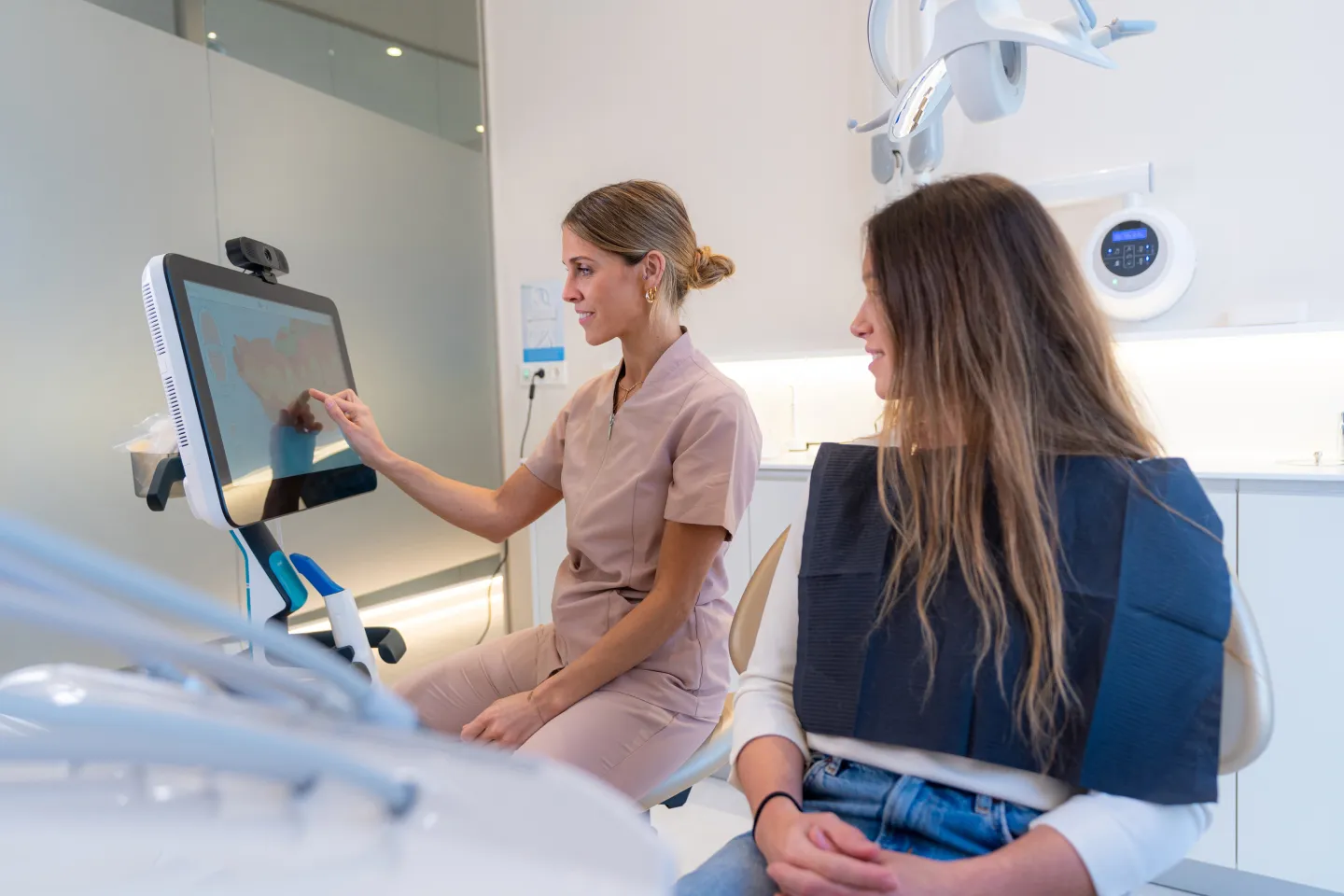
For years, the healing process after a dental implant procedure was something of a black box. You would leave your appointment, follow your recovery instructions, and hope that everything was fusing correctly beneath the surface. Aside from periodic X-rays and physical exams, there was limited real-time insight into how the bone was responding.
That may change in the coming years. The dental industry is beginning to explore the development of smart dental implants. These are not just replacement teeth, but advanced medical devices that may one day include miniature sensors capable of monitoring healing more closely. This technology represents a potential shift toward more proactive, data-driven oral healthcare.
What is a Smart Dental Implant?
A traditional implant is a static piece of titanium or zirconia. A smart implant, however, is being designed as an active monitoring system. Researchers are currently studying biocompatible micro-sensors and electronic components that could help track the biological environment around an implant.
The Tiny Tech Inside Your Smile
These sensors are incredibly small, often measured in microns. They are designed to sit within the implant post or the abutment without compromising the structural integrity of the device. Many of these devices utilize nanoparticles that can generate their own power through the natural motion of your jaw.
How They Communicate
The data collected by these sensors can be transmitted wirelessly using low-power signals. This allows for a continuous stream of information that keeps the patient and the provider in the loop. Imagine your dental implant sending a status report directly to a smartphone app, flagging health markers before you ever feel a twinge of discomfort.
Key Metrics: What are These Sensors Monitoring?
The magic of a smart implant lies in the specific data it tracks. By monitoring these variables, dental professionals can catch potential issues weeks or even months before they would be visible on a standard X-ray.
1. pH Levels and Bacterial Activity
The acidity of your mouth changes when bacteria begin to colonize an area. By tracking pH levels, smart sensors can detect the very earliest signs of peri-implantitis (the dental implant equivalent of gum disease). Some experimental designs even include phototherapy lights that activate to kill bacteria when high acidity is detected.
2. Temperature Fluctuations
Inflammation and infection almost always cause a localized rise in temperature. If an implant site is struggling to heal, a sensor can flag the heat increase, alerting the clinical team that the site needs a closer look long before a physical abscess forms.
3. Osseointegration Progress
Osseointegration is the process by which your bone bonds to the implant. Smart implants can measure the stability of this bond by tracking micro-movements or mechanical load. This tells the team exactly when the implant is strong enough to support a permanent crown, removing the guesswork from the healing timeline.
4. Bite Force and Pressure
Some advanced sensors can detect how much pressure you are applying when you chew. This is particularly helpful for patients who grind their teeth (bruxism). The sensor can alert you if you are putting too much stress on the restoration, helping to prevent fractures or loosening.
Why This Matters for the Patient
The benefits of incorporating sensors into dental restorations are centered around safety, speed, and peace of mind.
Personalized Recovery
Everyone heals at a different rate. Instead of following a generic three-month waiting period, smart implants allow for a personalized schedule. If a sensor shows that the bone has integrated perfectly in six weeks, the transition to the final crown can happen sooner.
Prevention of Failure
Implant failure is rare, but when it happens, it is often due to an infection that went unnoticed. Smart sensors act as a 24/7 security guard. By the time a patient feels pain or sees swelling, an infection is already advanced. Sensors find the problem while it is still invisible.
Remote Monitoring
In the future, the need for frequent check-up appointments could decrease. An implant could send a health report to a database. If everything looks perfect, the patient stays home. If the data looks off, the clinic can proactively reach out to schedule a visit.
Powering the Sensors
One of the biggest hurdles for smart implants has been power. How do you keep a sensor running inside a jawbone? Modern research has found brilliant solutions:
- Piezoelectric Energy: Some implants use materials like barium titanate that generate electricity from the mechanical energy of chewing or brushing teeth.
- Battery-Free Sensors: Certain designs use a reader device held near the cheek to "power up" and read the sensor momentarily, similar to how a tap-to-pay card works.
This means patients don't have to worry about batteries or charging their teeth like a laptop. The system is designed to be self-sustaining and invisible to daily life.
Frequently Asked Questions
Q: Are smart implants safe for the body?
A: The technology being studied is designed around biocompatible materials such as titanium and ceramic. Early research suggests these systems can be developed safely, but they are still undergoing testing before widespread use.
Q: Will the sensors interfere with MRI scans or airport security?
A: Most modern smart dental technology is designed to be MRI-compatible. Just like traditional implants, they are too small to set off airport metal detectors, and the electronic components are shielded to prevent interference.
Q: Is this technology standard in every dental office?
A: Not yet. Smart implants are currently in advanced research and clinical trial stages. While they represent the future of the industry, conventional implants remain the highly successful gold standard for now.
Q: Can a smart implant be hacked?
A: Data security is a top priority in medical tech. Information is typically encrypted and only accessible by authorized dental professionals through secure clinical software.
Q: How long will these sensors last?
A: Sensors are being designed to last for the functional life of the implant. Since many use power-harvesting technology, they don't have a battery that will run out.
Embracing the Future of Oral Health
The shift from reactive dentistry to proactive dentistry is one of the biggest goals in modern healthcare. While smart implants are still emerging, they represent an exciting area of innovation that could improve how implant healing is monitored in the future.
At Unident Dental Group, we stay informed about evolving dental technologies so our patients can understand the options available today, as well as what may be possible tomorrow.
Whether it is through advanced 3D planning now or sensor-based monitoring in the years ahead, the focus remains the same: helping patients achieve healthy, lasting smiles.
Explore Your Options with Unident Dental Group
If you are considering dental implants and want to work with a team that values innovation and patient education, we are here for you. At Unident Dental Group, we take the time to explain the latest processes and help you choose the best path for your unique needs. Contact Unident Dental Group today to schedule your comprehensive consultation and discover how modern technology can make your dental journey smoother and more predictable.
Our specialists at Unident Dental Group are ready to help you reclaim your confidence with the most advanced tools in the field.


Hours
Monday: 9 a.m.–4 p.m.
Tuesday: 9 a.m.-4 p.m.
Wednesday: 9 a.m.-5 p.m.
Thursday: 9 a.m.-6 p.m.
Friday: 9 a.m.-6 p.m.
Saturday: Closed
Sunday: Closed



© 2026 Unident Dental Group | All Rights Reserved | Privacy Policy | HIPAA Policy | Website Design by Remedo