
Signs You Need a Tooth Extraction
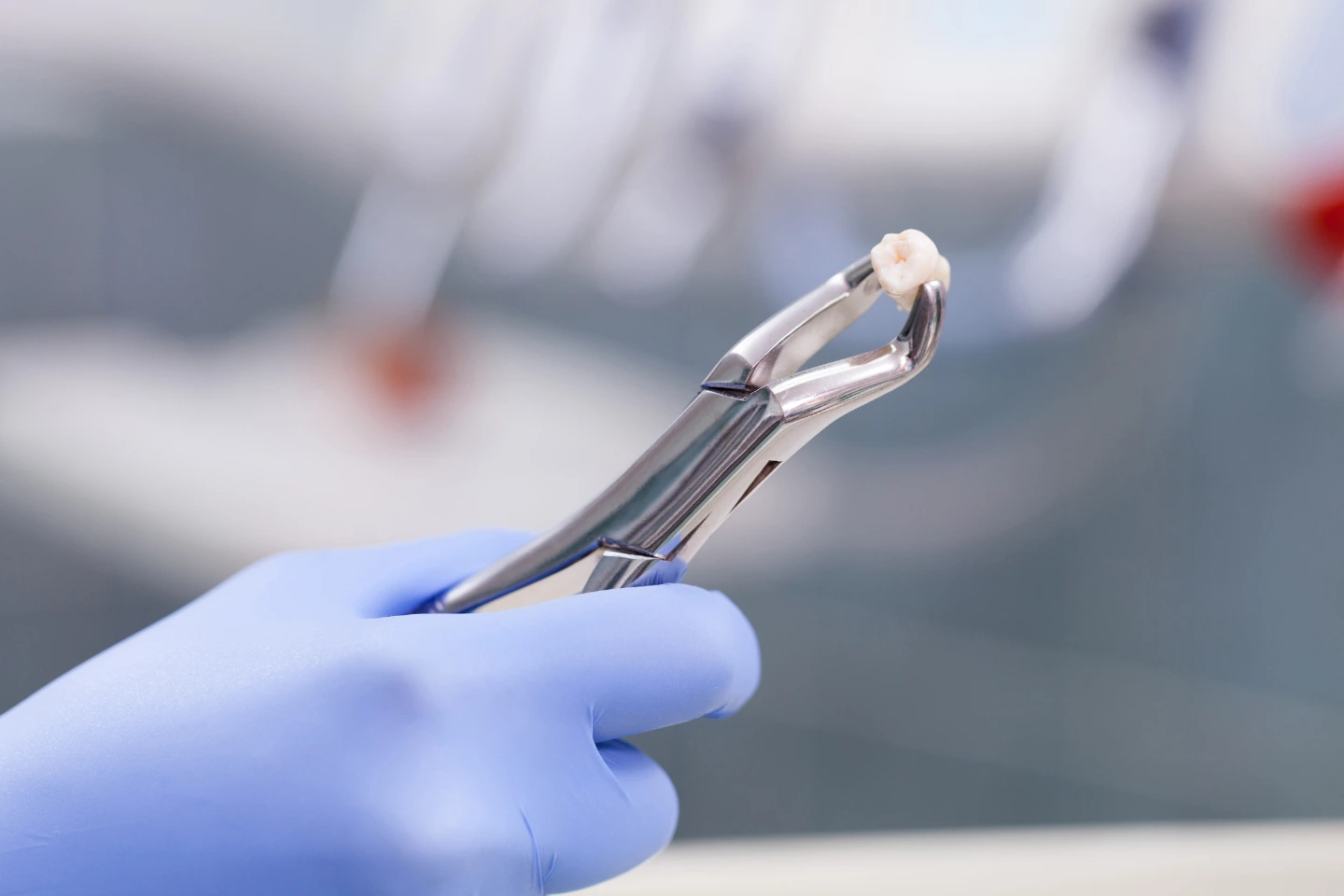
No one walks into a dental clinic hoping to hear they need a tooth pulled. For most of us, keeping our natural teeth for as long as possible is the whole point of modern dental care. But sometimes, holding onto a severely damaged or infected tooth actually does a lot more harm than good. When a tooth starts risking the health of your surrounding teeth, your jawbone, or your body as a whole, getting it removed is simply the safest, most logical step.
At Unident Dental Group, we know that the idea of losing a tooth can bring up a lot of questions and concerns. Our team focuses on getting to the bottom of your dental pain and giving you an honest, clear assessment. Let us look at some of the most common red flags that show a tooth extraction might be necessary to protect your smile and get you back to living comfortably.
Severe and Constant Tooth Pain
One of the loudest warning signs that something is seriously wrong is a deep, throbbing ache that just will not go away. While mild sensitivity to cold water or a quick twinge when you bite down might just mean a small cavity, a relentless pain that keeps you awake all night is a different story.
This kind of intense pain usually means decay or a deep crack has pushed past the hard outer enamel and reached the pulp chamber where the nerves and blood vessels live. Once the nerve inside a tooth gets infected or dies, pressure builds up fast inside the root socket, causing serious distress. If the structural damage is simply too severe for a root canal to fix, pulling the tooth is often the most reliable way to stop the pain and keep the infection from traveling into your jaw.
Advanced Gum Disease and Loose Teeth
Gum disease, which dentists call periodontal disease, is actually the leading cause of tooth loss in adults. It starts quietly with plaque and tartar building up along the gumline, making your gums look red, swollen, and prone to bleeding when you brush. If that bacterial infection is left alone, it starts moving deeper under the surface, eating away at the tiny ligaments and bone pockets that keep your teeth locked in place.
As that supporting bone dissolves, your teeth lose their stability and start to wiggle or shift. Once a tooth is visibly moving around when you try to eat, the support system might be too far gone to save. In these advanced stages, removing the loose tooth is often the only way to let the surrounding gums finally heal, opening the door for stable replacement options later on.
Deep Fractures and Broken Roots
Accidents happen in a split second, whether you take a hit to the mouth during sports, trip on a curb, or accidentally bite down on an unpopped popcorn kernel. While minor chips and surface cracks are easy to patch up with a quick filling or a custom crown, some breaks go way too deep.
If a fracture runs vertically straight down past the visible crown and splits the root system hidden beneath the gumline, the tooth cannot be saved. A broken root leaves a wide open door for bacteria to flood into the deep tissues of your mouth, increasing the risk of serious infections. When a crack destroys the internal integrity of the root like that, an extraction is the smartest move to keep your jawbone safe.
Overcrowding and Alignment Problems
Not every extraction happens because a tooth is decayed or broken. Sometimes, your mouth simply does not have enough physical real estate to fit all of your permanent adult teeth. When a jaw is on the narrower side, incoming teeth will fight for space, growing in crowded, overlapping, or completely twisted patterns.
This kind of crowding makes it incredibly tough to brush and floss properly, creating tight hiding spots where plaque loves to hide out. Over time, that skyrockets your risk for cavities and gum problems. If you are starting orthodontic treatment to straighten your smile, an orthodontist might recommend removing a couple of strategic teeth to create the room needed for the rest of your teeth to slide into a balanced alignment.
Impacted Wisdom Teeth
Wisdom teeth, or your third molars, are the last ones to show up to the party, usually popping in between the ages of seventeen and twenty five. Because modern human jaws are often smaller than they used to be, these late arriving molars frequently run out of room before they can even break through the gums properly.
When a wisdom tooth gets trapped completely under the gumline or grows in sideways against your healthy molars, it is considered impacted. Impacted wisdom teeth can push hard against your neighboring teeth, causing crowding, cysts, or chronic pressure aches. Plus, partially erupted teeth leave a loose flap of gum tissue that is famously impossible to keep clean, leading to painful, recurring infections. Taking these molars out is a very routine step to prevent long term alignment issues.
Dental Abscesses and Deep Infections
A dental abscess is a collection of pus that forms right at the tip of a tooth root because of a severe bacterial infection. This is a serious situation that needs fast professional attention. An abscess usually shows up with visible swelling along your gums, a pimple like bump near the tooth, a terrible taste in your mouth, or even noticeable swelling in your face or jaw.
If an infection is caught early, a dentist will always try to save the tooth with a root canal to clear the bacteria and seal the area. But if the infection has completely eroded the surrounding bone or left the tooth structurally ruined, leaving it in place can put your oral and overall health at risk. In these critical moments, an extraction is a necessary step to clear out the infection and protect your overall physical health.
Personalized Clinical Care at Unident Dental Group
At Unident Dental Group, we know that finding out you need a tooth pulled can feel incredibly overwhelming. That is why we focus on treating every patient with compassion and respect, taking the time to listen to your worries, answer your questions, and explain the whole process in plain English without all the confusing medical jargon.
Our clinical team uses advanced digital imaging to get a crystal clear look at how your tooth roots sit in your jawbone. We are completely focused on keeping you comfortable throughout your tooth extraction procedure and recovery, using gentle techniques and giving you personalized recovery steps to ensure everything heals smoothly and quickly. Partnering with Unident Dental Group means you have a supportive and compassionate team ready to help you make the best choices for your oral health, guiding you toward a healthy, pain free smile.
Frequently Asked Questions
Q: Does a tooth extraction procedure hurt while you are in the chair?
A: Your dental team will use a local anesthetic to completely numb the tooth and the surrounding gums before anything even starts. While you will feel some pressure as the tooth is gently guided out of its socket, you should not feel any sharp pain during the process.
Q: How long does the typical recovery take after an extraction?
A: Most patients find that the initial healing phase takes about one to two weeks. During this time, your gum tissue closes over the empty socket and the bone underneath begins to settle. Following your post care instructions closely keeps your recovery on track.
Q: Why do I need to avoid using a straw after getting a tooth pulled?
A: Using a straw creates suction inside your mouth that can easily dislodge the blood clot forming in the empty socket. That clot is crucial because it protects the exposed bone and nerves while they heal. If you disturb it, you risk a painful delay in your recovery.
Q: What are the best options for replacing a tooth after an extraction?
A: Once your jaw has fully healed up, you can look into a few reliable ways to rebuild your smile, including dental implants, fixed bridges, or partial dentures. Your team will help you look at what fits your lifestyle and budget best.
Q: Can I drive myself home after having a tooth extracted?
A: If your procedure is done using just standard local anesthetic injections, you are perfectly fine to drive yourself home right after the appointment. However, if you choose to use stronger dental sedation options, you will need to have a trusted driver come with you.


Hours
Monday: 9 a.m.–4 p.m.
Tuesday: 9 a.m.-4 p.m.
Wednesday: 9 a.m.-5 p.m.
Thursday: 9 a.m.-6 p.m.
Friday: 9 a.m.-6 p.m.
Saturday: Closed
Sunday: Closed



© 2026 Unident Dental Group | All Rights Reserved | Privacy Policy | HIPAA Policy | Website Design by Remedo