
Root Canal Treatment for Molars: Why It Is More Complex
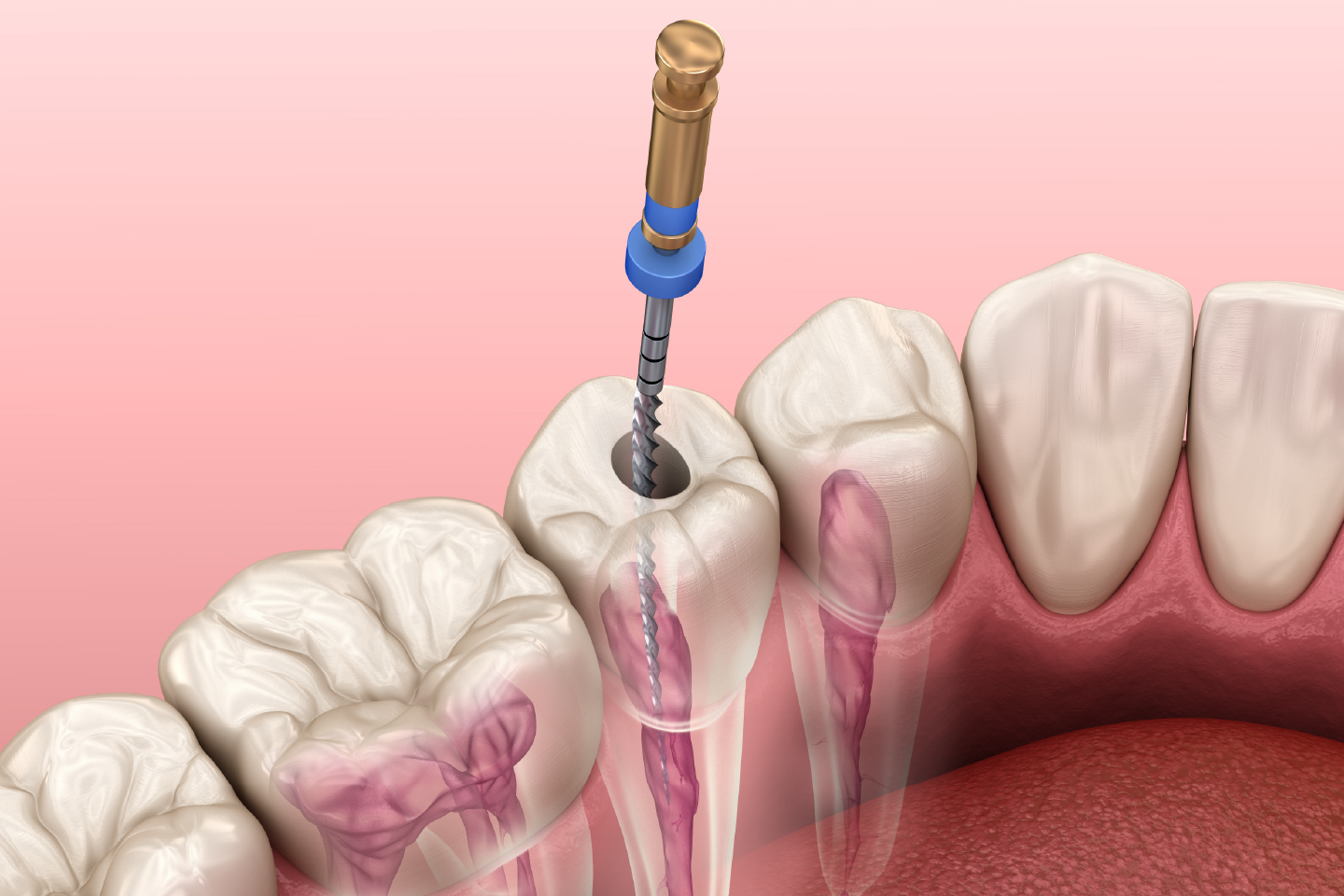
When a person hears the phrase root canal, they often imagine a uniform procedure for every tooth. However, in professional dentistry, the tooth's location and type affect complexity. Treating a front tooth is often more direct, but root canals on molars are much more intricate. These large back teeth, built for chewing, have internal structures as robust and complicated as their exterior.
At Unident Dental Group in Walpole, MA, we recognize that these posterior teeth require a specialized approach. Our team is trained to overcome the specific anatomical challenges posed by molars, ensuring that your natural tooth is preserved and your oral health is restored. Understanding why these teeth are different can help you feel more prepared and informed if you ever need this essential procedure.
The Intricate Anatomy and Unique Design of Back Teeth
The most significant reason root canal treatment for molars is considered more difficult than treating an incisor or a canine is the sheer number of variables involved. Your front teeth are designed for biting and typically have a single, relatively straight root with one nerve canal inside. Molars, however, are far more complex.
Multiple Root Systems and Branching Canals
Most molars have two or three roots, and upper molars may have four. Each root has at least one canal with dental pulp, but many have two. A molar root canal might mean cleaning and sealing up to four or five separate pathways, while a front tooth usually has one.
Hidden and Accessory Pathways
Beyond the main canals, molars are notorious for having tiny accessory canals, which are very small additional passageways that branch off from the main nerve canal, like the roots of a tree. If a clinician does not identify and thoroughly clean these hidden pathways, bacteria can remain trapped inside the tooth. This is why root canal treatment for molars requires such close scrutiny.
Narrow and Severely Curved Canals
The canals in your back teeth are rarely straight lines. They often twist, turn, or curve sharply as they move toward the jawbone. In some cases, these canals can become calcified, narrowing to the point that they are difficult to see or enter. Rest assured, navigating these tight, curved spaces is manageable with specialized instruments and a very patient, steady hand.
Why Precision is Essential for Successful Molar Care
Because the margin for error is so small in the back of the mouth, root canal treatment for molars demands a high degree of clinical precision. At Unident Dental Group in Walpole, MA, we believe that the planning stage is just as important as the procedure itself. We do not rely on a one-size-fits-all approach because every patient has a unique internal "blueprint" in their teeth.
Advanced Mapping of the Tooth
Using high-definition imaging, we can map the exact number of roots and the trajectory of each canal before we even begin treatment. This proactive approach allows us to anticipate curves and identify extra canals that might otherwise be missed. When we know exactly where we are going, the treatment becomes more predictable and effective.
Thorough Removal of Infected Tissue
A root canal aims to fully remove infected or inflamed pulp. In molars, this means carefully cleaning and shaping each canal. Any remaining tissue may cause the infection to recur, leading to failure. Our thorough approach helps patients keep their natural teeth long term.
Managing the Physical Challenges of Accessing the Back of the Mouth
Beyond internal complexity, the position of molars adds difficulty. Treating teeth at the back of the mouth requires special skills and the right equipment.
Visibility and Lighting
The further back a tooth is, the harder it is to see. Proper lighting and magnification are needed to view the tiny access points of a molar. Without them, ensuring the canals are completely clean is nearly impossible. At Unident Dental Group in Walpole, MA, we use magnification technology for a clear, unobstructed view of the work area.
Patient Comfort and Accessibility
It can be physically taxing for a patient to keep their mouth open wide enough throughout a molar procedure. We are very mindful of this and work efficiently to ensure the process is as quick as possible without sacrificing quality. We also use modern isolation techniques to keep the tooth dry and sterile, which is a key component of a successful clinical outcome.
The Vital Role of Technology in Modern Molar Root Canals
To overcome the inherent challenges of treating back teeth, we rely heavily on modern dental advancements. The days of relying solely on feel are over. Today, we have a variety of tools that make root canal treatment for molars safer and more effective.
Digital sensors and high-resolution imaging allow us to see the tooth in great detail, while rotary instruments made of flexible nickel-titanium allow us to navigate curved canals with much less risk of the instrument breaking or damaging the tooth structure. These advancements have transformed the patient experience, making the procedure much more comfortable and significantly increasing the success rate of molar treatments.
Frequently Asked Questions About Molar Treatments
Q: Why does a molar root canal usually take more than one visit?
A: Multiple canals and root complexity mean more time is needed for complete cleaning. We may use a medicated filling between appointments to clear the infection.
Q: Is the procedure more painful because molars are bigger?
A: No. With modern local anesthetics, you should not feel pain during the procedure, regardless of which tooth is being treated. The size of the tooth does not correlate with the level of discomfort.
Q: Why do I need a crown after a root canal on my molar?
A: Molars do the main chewing and weaken after pulp removal. A crown adds the strength needed to keep them from cracking during eating.
Q: Can a molar with four roots still be saved?
A: Absolutely. While four roots make the procedure more complex, it is a very common scenario. As long as the tooth has enough healthy structure remaining, a root canal is a very effective way to save it.
Contact Unident Dental Group for Professional Root Canal Treatment for Molars in Walpole, MA
If you feel a deep ache or ongoing sensitivity in your back teeth, you may need a root canal. Do not let molar complexity keep you from seeking help. At Unident Dental Group in Walpole, MA, we have the skill and technology to address even challenging cases.
Choosing Unident Dental Group means choosing a team that is dedicated to precision and patient comfort. We understand the nuances of root canal treatment for molars and are committed to helping you save your natural smile. Contact us today to schedule your evaluation and find out how we can help you return to a pain-free life.


Hours
Monday: 9 a.m.–4 p.m.
Tuesday: 9 a.m.-4 p.m.
Wednesday: 9 a.m.-5 p.m.
Thursday: 9 a.m.-6 p.m.
Friday: 9 a.m.-6 p.m.
Saturday: Closed
Sunday: Closed



© 2026 Unident Dental Group | All Rights Reserved | Privacy Policy | HIPAA Policy | Website Design by Remedo