
Preventive Dentistry vs. Restorative Dentistry: What Is the Difference?
When you sit back in the dental chair, you might not always think about the grand strategy behind the work being done. One day you're in and out in thirty minutes with a freshly polished smile, and the next you're settling in for a crown or a filling. To a lot of patients, it all just blurs together under the broad umbrella of "going to the dentist."
Yet behind the scenes, modern dental care is divided into two distinct philosophies: stopping problems before they start, and fixing issues after they’ve already taken root. Understanding the difference between preventive dentistry and restorative dentistry isn't just an interesting trivia fact. It's a great way to take control of your own oral health, manage your dental budget, and make sense of your treatment plans.
Let's break down what these two terms actually mean, how they overlap, and why your smile needs a healthy dose of both.
The Foundation: What Is Preventive Dentistry?
If dental care had a motto, preventive dentistry would be "an ounce of prevention is worth a pound of cure." This branch of dental care focuses entirely on protecting your natural teeth, gums, and supporting bone structure from disease, decay, and physical damage.
Think of preventive care as the routine maintenance of your mouth. Just as you change your car’s oil or test the smoke detectors in your home, preventive dentistry aims to catch minor shifts before they snowball into major emergencies.
When you schedule routine preventive dentistry in Walpole, MA, you aren't waiting for pain to tell you something is wrong. Instead, you're staying proactive.
Some of the most common preventive measures include:
- Routine professional cleanings: These target stubborn plaque and tartar that slip past even the best electric toothbrush at home.
- Comprehensive oral exams: Visual checks and diagnostic imaging allow your dentist to look for early signs of tooth decay or bone loss.
- Oral cancer screenings: A quick, painless check of your soft tissues to identify abnormalities early.
- Dental sealants: Protective plastic coatings painted onto the chewing surfaces of back teeth, shielding deep grooves from decay-causing bacteria.
- Fluoride treatments: Quick applications that strengthen tooth enamel and make it more resistant to acid attacks.
The ultimate goal of preventive care is simple: keep your natural teeth healthy, strong, and functional for your entire life, minimizing the need for invasive procedures down the road.
The Repair Crew: What Is Restorative Dentistry?
Even with the most meticulous home hygiene and regular cleanings, life happens. Teeth chip on a stray popcorn kernel, deep grooves develop silent cavities, or an old filling wears down after a decade of service. That’s where restorative dentistry steps in.
Restorative dentistry focuses on diagnosing, managing, and repairing structural damage to your teeth. If preventive care is about preservation, restorative care is about rehabilitation. Its job is to bring back the form, strength, and function of a damaged or missing tooth so you can chew, speak, and smile with confidence.
Restorative treatments cover a wide spectrum, ranging from quick fixes to complex procedures:
- Composite fillings: The go-to solution for repairing mild-to-moderate tooth decay or minor chips using tooth-colored resin.
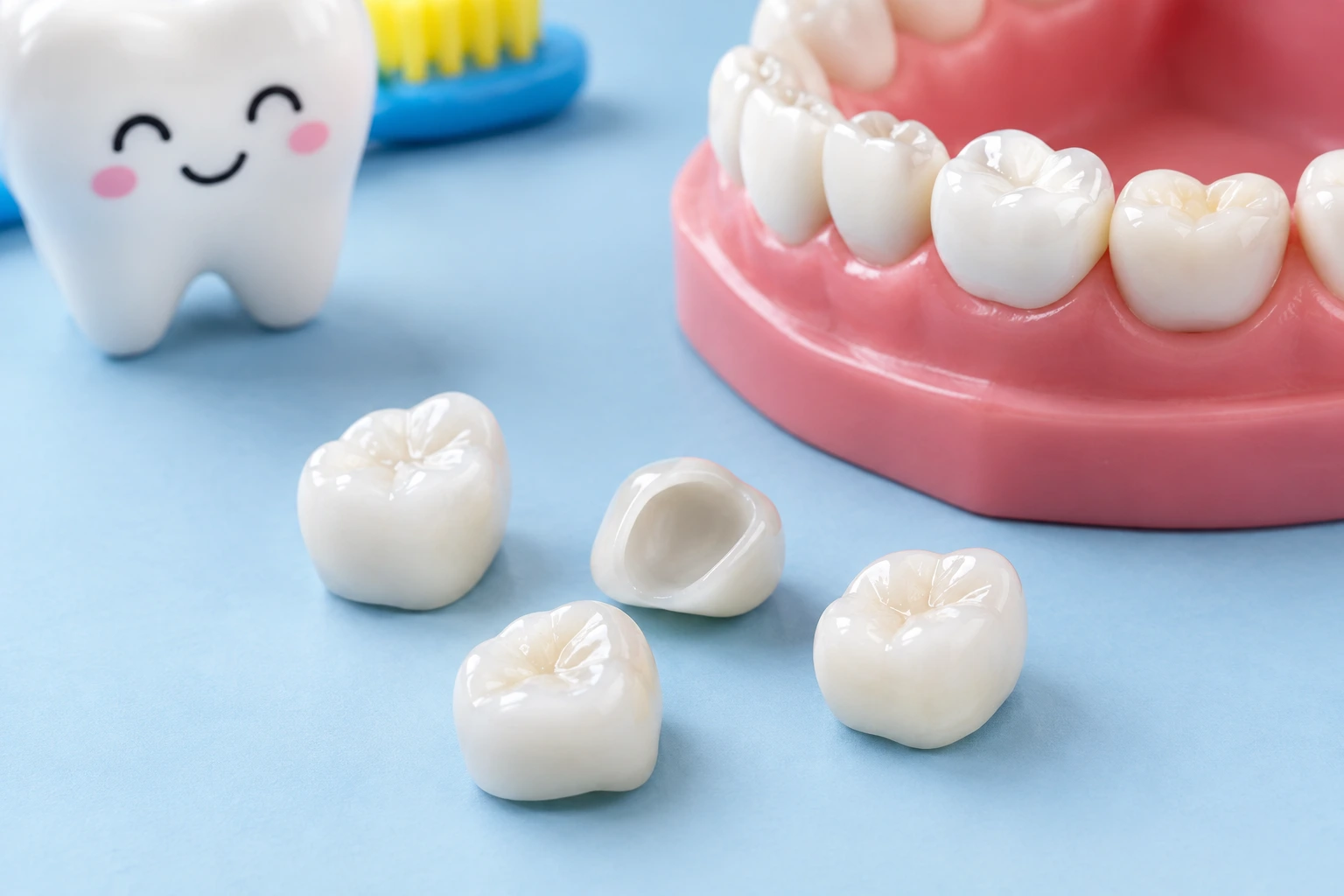
- Dental crowns: Custom-fitted "caps" that encase a severely damaged, cracked, or root-canal-treated tooth to protect it from fracturing.
- Bridges and implants: Fixed solutions designed to replace missing teeth and help maintain proper function and alignment.
- Root canal therapy: A procedure that removes infected or inflamed tissue from the inside of a compromised tooth, relieving pain and helping save the tooth from extraction.
- Dentures: Removable appliances that replace multiple missing teeth or an entire dental arch.
While nobody necessarily wakes up wishing they needed a root canal or a crown, restorative care is a modern marvel that rescues teeth that might have once been lost to extraction.
How Preventive and Restorative Care Work Together
It’s tempting to view preventive and restorative dentistry as two completely separate worlds, but in reality, they are two sides of the same coin. They lean on each other constantly.
Consider how a cavity develops. It usually starts as a minor breakdown of enamel, something that could have been intercepted with rigorous home hygiene or a fluoride treatment. If it’s missed, it crosses the line from a preventive concern into a restorative one, requiring a filling.
If you ignore that filling, the decay deepens, turning into a restorative emergency that demands a crown or a root canal. Once that crown is placed, however, the cycle loops right back to prevention. Why? Because you now have a restoration that requires diligent daily cleaning and regular professional evaluations to ensure secondary decay doesn't sneak in underneath the margins.
In short, great preventive care keeps your need for restorative work to a minimum. And when restorative work is necessary, it lays a fresh, healthy foundation that you can protect moving forward with better preventive habits.
Why Prevention Is Always the Cheaper, Easier Route
It’s no secret that major dental work can put a dent in your wallet and take up more of your free time than you'd like. This is precisely why leaning heavily into the preventive side of the equation pays off so dramatically over the long haul.
When a small issue is caught early during a routine preventive checkup, fixing it is usually fast, conservative, and less costly. A tiny surface sealant, a fluoride treatment, or a small area of early decay may require less chair time and less extensive treatment.
On the flip side, waiting until a tooth starts throbbing usually means the problem has bypassed the preventive stage entirely. By the time pain sets in, the nerve may be involved, requiring multi-step procedures like root canals and crowns. Investing thirty minutes in a routine checkup twice a year can be a form of self-care that helps reduce the risk of major dental treatment.
Everyday Habits That Bridge the Gap
You don't have to wait until your next clinic visit to manage the balance between prevention and restoration. Your daily bathroom routine is your first line of defense.
- Brush twice a day with fluoride toothpaste: Give your teeth a full two minutes, using gentle, circular motions rather than scrubbing your gums raw. Fluoride helps remineralize weakened areas before they turn into cavities.
- Clean between your teeth daily: Floss, interdental brushes, or water flossers reach the tight spaces your toothbrush can't touch, helping stop plaque from hardening into calculus.
- Watch out for warning signs: If you notice sudden sensitivity to hot or cold, a dull ache when chewing, or a rough spot on a tooth with your tongue, don't wait for your annual checkup. Addressing minor twinges early may help keep them from developing into more extensive dental problems.
Finding the Right Balance for Your Smile
Every smile has a unique history. Some people seem genetically blessed with thick enamel and rarely need anything beyond a routine polish, while others find themselves managing past restorations, crowns, or shifting teeth.
The best way to navigate your personal mix of preventive and restorative needs is to have an open, honest dialogue with your dental team. At your next visit, ask them to walk you through your current oral health status. Understanding where you stand helps you turn dental visits from a mystery appointment into a collaborative strategy for lifelong oral wellness.
Schedule Your Next Visit Today
Whether you are due for your routine checkup, want to stay ahead of potential issues, or need to repair a damaged tooth, Unident Dental Care is here to support you. Experience comfortable, patient-focused preventive dentistry in Walpole, MA by giving our friendly team a call today to book your next appointment!
Frequently Asked Questions
Q: Can a restorative treatment like a crown look completely natural?
A: Absolutely. Modern dental materials, particularly high-grade porcelain and composite resins, can be custom-shaded and crafted to match the color, translucency, and shape of your surrounding teeth. Once placed, most people won't be able to tell which tooth has the restoration.
Q: Does insurance cover preventive and restorative care the same way?
A: In most cases, traditional dental insurance plans cover preventive services, such as routine exams, cleanings, and basic X-rays, at or close to 100%. Restorative procedures, like fillings, crowns, and root canals, are typically covered under a coinsurance model where the plan covers a designated percentage of the cost. It's always a good idea to check with your specific provider to understand your benefits.
Q: How do I know if I need a preventive visit or a restorative procedure?
A: You generally don't have to diagnose yourself! Routine preventive checkups are designed precisely to evaluate your teeth and catch any hidden issues. If your dentist spots a cavity, a cracked filling, or a weakened tooth during your exam, they will discuss your options and recommend the appropriate restorative treatment to get your smile back on track.


Hours
Monday: 9 a.m.–4 p.m.
Tuesday: 9 a.m.-4 p.m.
Wednesday: 9 a.m.-5 p.m.
Thursday: 9 a.m.-6 p.m.
Friday: 9 a.m.-6 p.m.
Saturday: Closed
Sunday: Closed




© 2026 Unident Dental Group | All Rights Reserved | Privacy Policy | HIPAA Policy | Website Design by Remedo