Oral Appliance Therapy vs CPAP for Sleep Apnea
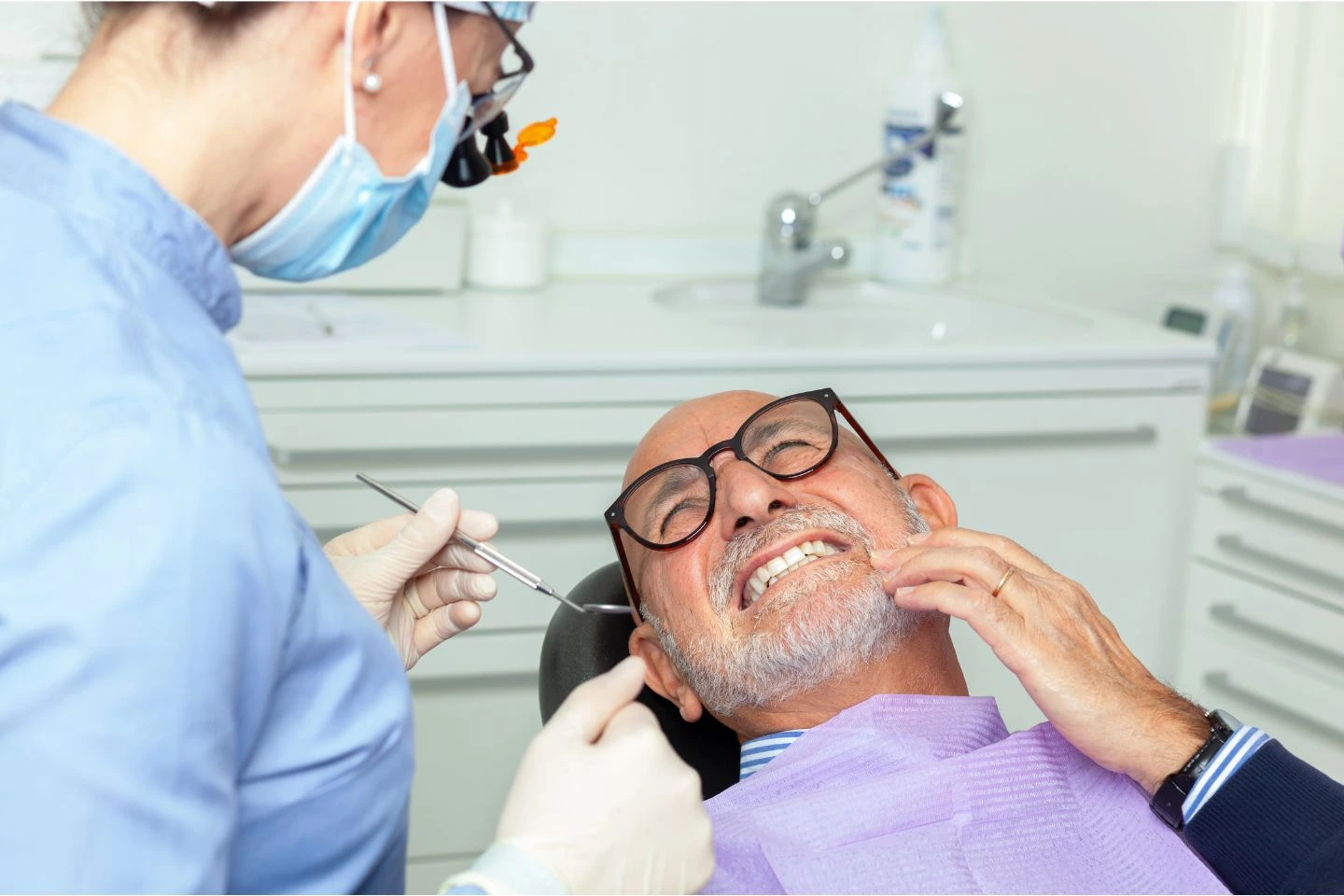
Waking up exhausted after a full night of sleep is a frustrating experience that millions of people quietly live with every day. If you find yourself gasping for air in the middle of the night, dealing with loud snoring, or struggling through constant daytime brain fog, obstructive sleep apnea could be the culprit. This widespread condition occurs when the soft tissues in the back of your throat relax too much during deep sleep, physically blocking your airway and repeatedly disrupting your oxygen supply.
Finding an effective, comfortable solution is critical not just for getting a restful night of sleep, but also for protecting your long term cardiovascular health. When exploring your clinical care paths, the conversation almost always boils down to two primary choices: traditional CPAP therapy and custom oral appliance therapy.
Both methods aim to keep your airway open so you can breathe steadily, but they go about it in completely different ways. Understanding how each option operates in real life can help you make an informed choice when consulting with a sleep and breathing dentist in East Walpole, MA.
Understanding CPAP Therapy and Its Common Challenges
Continuous Positive Airway Pressure, universally known as CPAP, has long served as the standard medical response for severe obstructive sleep apnea. A CPAP system consists of a motorized bedside unit, a flexible hose, and a mask worn over your nose or mouth. Throughout the night, the machine delivers a continuous stream of pressurized air down your throat, keeping the collapsing tissue pushed open so your breathing remains uninterrupted.
For many people dealing with severe airway collapse, CPAP machines can be effective at restoring proper oxygen saturation. But staying compliant with CPAP therapy often proves difficult for everyday users.
Many patients find the constant noise of the air motor distracting when trying to fall asleep. Others struggle with feeling claustrophobic inside the face mask, or experience skin irritation, facial pressure marks, and persistent dry mouth from the continuous air pressure. Traveling with a bulky power unit, tubing, and distilled water tanks also adds hassle to daily life, leading a significant number of patients to abandon their CPAP machines after a few months.
How Custom Oral Appliance Therapy Works
If you have trouble with your CPAP compliance or if you have mild to moderate obstructive sleep apnea, a small, quiet, very portable alternative is oral appliance therapy. Instead of using pressurized air to hold your throat open, this non invasive treatment relies on a custom fitted dental device that you wear over your teeth while sleeping.
An oral appliance looks similar to an athletic mouthguard or a clear orthodontic retainer, but it is engineered specifically for airway management. It works by gently shifting your lower jaw forward a few millimeters while you sleep. By moving your jaw into a slightly forward position, the device tightens the soft tissues in your soft palate and throat, preventing the tongue from falling backward into your airway.
Because oral appliances for sleep apnea in East Walpole, MA are custom crafted from lightweight polymers, they feel unobtrusive inside your mouth. There are no noise emitting motors, no facial straps, and no electricity needed. You simply pop the device in before heading to bed and pack it into a small protective case when traveling.
Comparing the Core Benefits of Both Approaches
Deciding between CPAP and a custom dental device depends heavily on the severity of your sleep apnea, your personal anatomy, and your daily lifestyle habits:
CPAP machines deliver heavy air pressure support for severe, complex sleep apnea cases where simple jaw positioning might not be enough to open the throat completely.
Oral appliance therapy excels in patient comfort and long term daily adherence. Patients are far more likely to wear a small custom device every single night compared to putting on a full face mask.
Custom mouthguards double as an effective snoring treatment in East Walpole, MA. By stopping soft tissue vibrations in your throat, the device eliminates disruptive snoring, helping both you and your bed partner sleep peacefully.
Oral appliances are completely silent and effortless to travel with, easily slipping into a carry on bag without needing distilled water or proximity to an electrical outlet.
How to Decide Which Solution Fits Your Needs
Selecting the right care path requires a thorough, multi step approach involving medical and dental professionals. The process almost always starts with a formal sleep study, conducted either at an accredited sleep lab or in your own home with a specialized diagnostic kit. This evaluation measures how many times your breathing pauses per hour, helping a physician determine whether your condition is mild, moderate, or severe.
Custom Oral Appliances for Sleep Apnea in East Walpole, MA
If your sleep study shows mild to moderate obstructive sleep apnea, or if you have tried CPAP and simply cannot tolerate wearing the mask, seeking professional sleep dentistry solutions in East Walpole, MA is a logical next step. A qualified dentist takes detailed digital impressions of your teeth, measures your jaw movement, and designs a device tailored precisely to your bite alignment.
Regaining deep, restorative sleep improves your daily energy, your mood, and your overall quality of life. When you are looking for dedicated sleep apnea treatment in East Walpole, MA, working with an attentive team makes all the difference in achieving a comfortable fit. At Unident Dental Group, our staff works closely with you to evaluate your airway, discuss your sleep habits, and craft custom solutions that help you breathe easily every night. Contact Unident Dental Group today to schedule your consultation and take the first step toward better sleep.
Frequently Asked Questions
Q: Can a custom oral appliance completely replace my CPAP machine?
A: For many patients diagnosed with mild to moderate obstructive sleep apnea, a custom oral appliance can serve as an effective standalone treatment. If you have severe sleep apnea, your sleep specialist and dentist can help determine whether a dental device or a combination approach is appropriate.
Q: Is wearing an oral appliance comfortable for sleeping?
A: Yes, custom appliances are designed using precise impressions of your teeth, ensuring a snug fit. While your jaw may feel slightly tender for the first few mornings as it adapts to the forward positioning, this sensation is temporary and fades quickly as you get used to the device.
Q: How do I keep my custom oral appliance clean?
A: Cleaning your device is simple. Rinse it with cool water every morning and gently brush it using a soft toothbrush and mild soap or a specialized dental appliance cleanser. Avoid using hot water or harsh toothpastes, which can warp or scratch the custom material.
Q: Does medical or dental insurance cover oral appliance therapy?
A: Medical insurance will often cover oral appliance therapy for obstructive sleep apnea if you have a formal sleep study diagnosis, but not standard dental insurance. Your dental care team can help verify your specific coverage details prior to starting care.
Q: How long does a custom sleep apnea mouthguard typically last?
A: With proper daily care, regular cleaning and periodic professional checkups a high quality custom oral appliance can last for several years before requiring minor adjustments or replacement due to normal wear and tear.


Hours
Monday: 9 a.m.–4 p.m.
Tuesday: 9 a.m.-4 p.m.
Wednesday: 9 a.m.-5 p.m.
Thursday: 9 a.m.-6 p.m.
Friday: 9 a.m.-6 p.m.
Saturday: Closed
Sunday: Closed



© 2026 Unident Dental Group | All Rights Reserved | Privacy Policy | HIPAA Policy | Website Design by Remedo