
Immediate vs. Traditional Implants: Pros & Cons
If you are staring at a mirror and worrying about a missing tooth, you are probably feeling a mix of anxiety and urgency. You want your smile back, and you want it now. But in the world of dental restoration, there are two primary paths you can take: the traditional route or the immediate approach.
At Unident Dental Group, we believe that an informed patient is a happy patient. Deciding between these two methods is not just about how fast you can get a new tooth; it is about your bone health, your lifestyle, and the long-term success of your dental work. Let’s break down the differences so you can feel confident in your choice.
Understanding Traditional Dental Implants
Traditional dental implants are the tried and true method that dentists have used for decades. This process is often referred to as a staged approach because it happens in distinct phases over several months.
The Phased Process
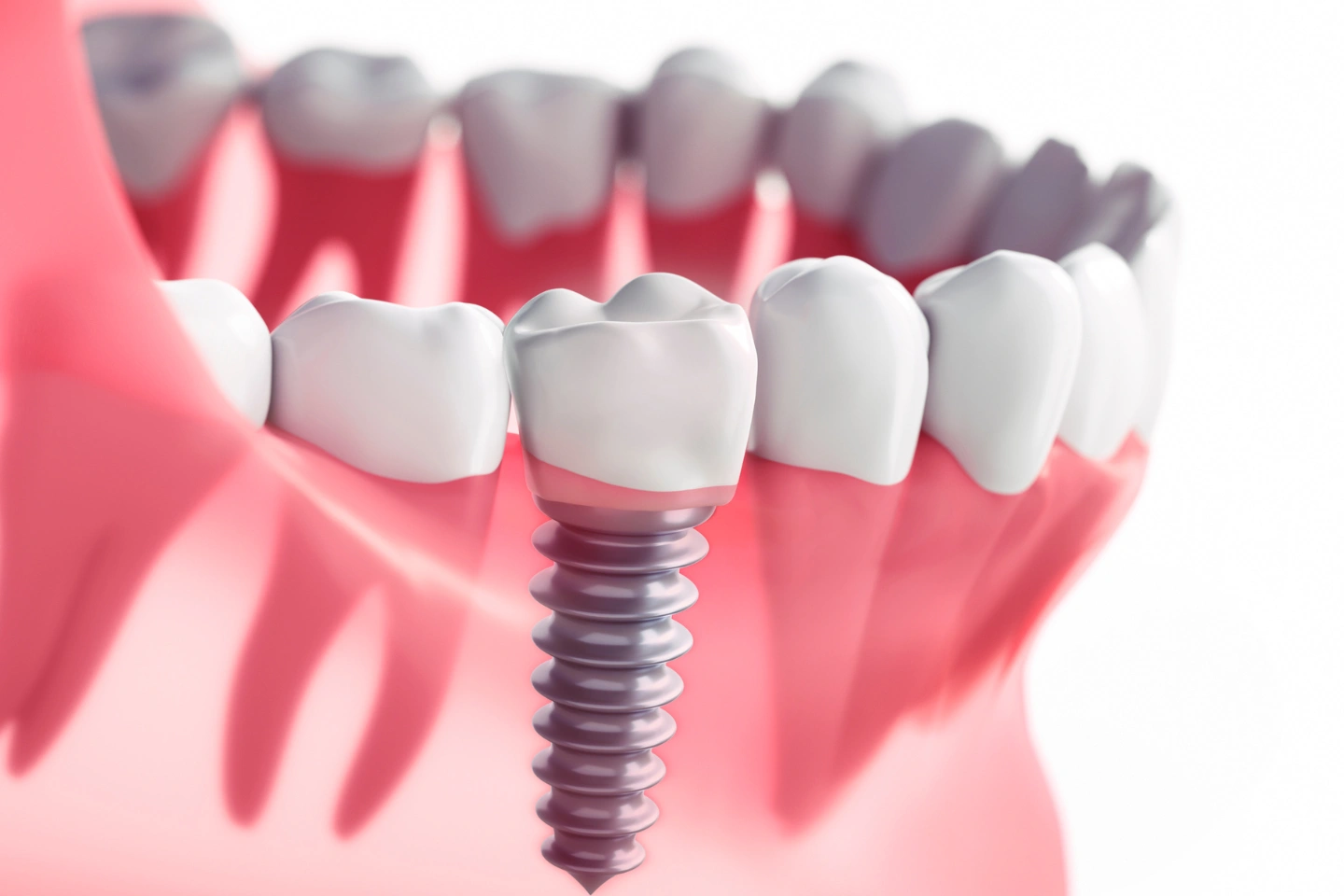
First, if the damaged tooth is still present, it is extracted. Then, there is a waiting period of two to four months for the socket to heal. Once the bone is ready, the implant (a small titanium post) is surgically placed into the jawbone.
Osseointegration: The Key to Success
After the implant is placed, a critical biological process called osseointegration occurs. This is where your jawbone literally grows around and fuses to the titanium post. This creates a rock-solid foundation. This phase usually takes another three to six months. Only after this fusion is complete does your dentist at Unident Dental Group attach the final crown.
Pros of the Traditional Approach
- Highest Success Rates: Because we give the bone plenty of time to heal and fuse, the risk of implant failure is extremely low.
- Ideal for Low Bone Density: If you have been missing a tooth for a long time and your bone has thinned out, this slow and steady method allows for bone grafting to take hold properly.
- Predictability: It is the gold standard for a reason. It works for almost everyone, regardless of their dental history.
Cons of the Traditional Approach
- The Time Factor: You could be looking at six to nine months from start to finish.
- Multiple Surgeries: You will likely need at least two separate surgical appointments.
What are Immediate Implants?
Imagine walking into the office with a failing tooth and walking out with a brand new, functional implant. That is the promise of immediate implants, often called teeth in a day.
Same-Day Transformation
With this method, the dentist extracts the tooth and places the implant post into the socket during the very same appointment. In many cases, a temporary crown is attached immediately, so you never have to go a day with a visible gap in your smile. At Unident Dental Group, we use advanced 3D imaging to ensure that the immediate placement is precise and secure.
Pros of the Immediate Approach
- Instant Gratification: You leave the office with a tooth. This is a massive psychological and aesthetic win for many patients.
- Fewer Appointments: You consolidate the extraction and the implant placement into one visit, saving you time away from work or family.
- Soft Tissue Preservation: Placing the implant immediately can help maintain the natural shape of your gums, leading to a more natural-looking result.
Cons of the Immediate Approach
- Higher Risk Profile: Because the implant is placed into a fresh extraction site, there is a slightly higher risk of the implant shifting or failing if the patient is not a perfect candidate.
- Strict Aftercare: You have to be incredibly careful with what you eat for several weeks while the bone heals around the new post.
Comparing the Two: Which One Is Right for You?
Choosing between these options at Unident Dental Group depends on several factors that our team will evaluate during your consultation.
Bone Quality and Quantity
Your jawbone is like the soil in a garden. If the soil is thin or weak, you cannot just stick a heavy post in it and expect it to stay. Traditional implants are better for those who need bone grafts. Immediate implants require dense, healthy bone to provide initial stability.
The Location of the Tooth
If you are replacing a front tooth, the aesthetic urgency of an immediate implant is high. No one wants to walk around without a front tooth for six months. However, for a back molar that handles heavy chewing forces, the traditional, slow-staged approach might be the smarter long-term move.
Your Overall Health
Factors like smoking, diabetes, or autoimmune conditions can slow down healing. For patients with these concerns, Unident Dental Group often recommends the traditional path to give the body the time it needs to recover and integrate the implant safely.
The Role of Modern Technology
Regardless of which path you choose, technology has made both processes much easier than they used to be. At Unident Dental Group, we utilize digital scanners and 3D printing to map out your surgery before we even begin. This means smaller incisions, less pain, and more predictable results.
We use computer software to virtually place your implant on a 3D model of your jaw. This allows us to see exactly where the nerves and sinuses are located, ensuring that whether we go the traditional or immediate route, your safety is the priority.
Frequently Asked Questions
Q: Do immediate implants hurt more than traditional ones?
A: Not necessarily. Since the extraction and placement happen at once, you only go through one healing period. Many patients find that the discomfort is very manageable with over-the-counter pain relief and proper rest.
Q: Can I eat normally right after getting an immediate implant?
A: No. Even though you have a tooth in place, the implant is not yet fused to your bone. You will need to stick to a soft-food diet for several weeks to avoid putting too much pressure on the post.
Q: Is there a big price difference between the two?
A: The costs are often comparable. While immediate implants involve more intensive work in a single day, traditional implants involve more office visits over time. At Unident Dental Group, we provide a clear breakdown of costs for both options during your visit.
Q: What happens if an immediate implant fails?
A: If an implant does not integrate properly, it can usually be removed, the area allowed to heal, and a traditional implant placed later. However, we do everything possible during the planning phase to ensure this does not happen.
Q: How long do dental implants last?
A: With good oral hygiene and regular checkups at Unident Dental Group, both traditional and immediate implants are designed to last for the rest of your life.
Making the Decision with Unident Dental Group
There is no one-size-fits-all answer in dentistry. Some people are perfect candidates for a same-day smile, while others will get a much better, more durable result by taking the traditional route. The best way to find out is to have a conversation with a professional who cares about your outcome.
We want to know your goals, your timeline, and your concerns. Whether you choose the speed of an immediate implant or the steady reliability of the traditional method, we are here to guide you every step of the way.
Book Your Consultation at Unident Dental Group
Don't let a missing tooth hold you back from enjoying life. Our team at Unident Dental Group is ready to help you rebuild your smile with the precision and care you deserve. Contact us today to schedule your comprehensive implant evaluation and take the first step toward a permanent, beautiful restoration.


Hours
Monday: 9 a.m.–4 p.m.
Tuesday: 9 a.m.-4 p.m.
Wednesday: 9 a.m.-5 p.m.
Thursday: 9 a.m.-6 p.m.
Friday: 9 a.m.-6 p.m.
Saturday: Closed
Sunday: Closed



© 2026 Unident Dental Group | All Rights Reserved | Privacy Policy | HIPAA Policy | Website Design by Remedo