
How to Prepare for Wisdom Tooth Removal
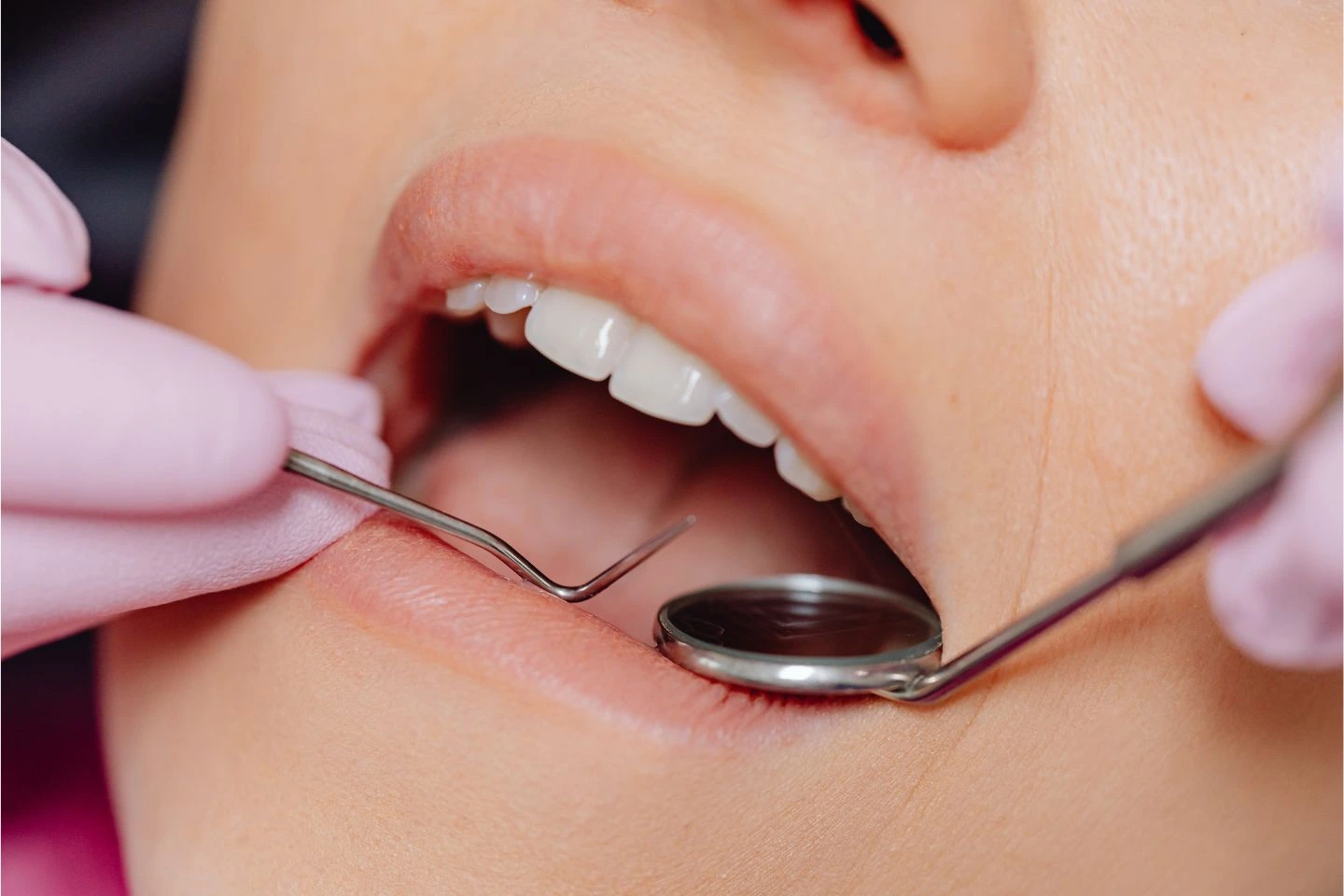
Discovering that you need to schedule a wisdom tooth extraction can bring up a lot of questions. For the vast majority of people, feeling a bit anxious about oral surgery is a perfectly normal reaction. Wisdom teeth, which are simply the third set of molars at the very back of your mouth, are typically the last permanent teeth to emerge. Because our jaws do not always have enough room to house them safely, removing them becomes necessary to prevent crowding, shifting, or painful local infections.
While the thought of the procedure might seem daunting, the actual recovery process relies heavily on how well you prepare before you ever walk into the clinic. Taking a few deliberate steps to organize your home, buy the right groceries, and establish a recovery routine can turn a stressful week into a comfortable, smooth healing process. This guide covers a simple, step-by-step checklist to get you completely ready for a successful appointment.
Your Pre-Appointment Checklist
True preparation starts weeks before your actual surgery date. This time frame is all about gathering accurate information and setting up a solid safety net for your recovery days.
Have An Open Conversation About Medications
During your consultation, it is incredibly important to share your full medical history with your surgical team. This includes telling them about any prescription drugs, daily vitamins, or over-the-counter herbal supplements you take. Certain common medications can inadvertently thin your blood or interact poorly with dental sedation options. Your provider will look over your list and let you know if you need to pause or change your dosage routine before the procedure.
Secure A Reliable Ride Home
Regardless of whether you choose local numbing, oral conscious sedation, or IV twilight sedation, you are going to need help getting home. If you receive any form of sedative, it is legally unsafe for you to operate a motor vehicle for twenty-four hours. Find a trusted friend or family member who can drive you to the office, remain in the waiting room during your treatment, take you home safely, and help you handle your first few doses of recovery medication.
Pre-Op Shopping: What To Stock In Your Pantry
When you return home from your appointment, your mouth will be numb, your jaw will feel stiff, and you will likely want to sleep. The last thing you or your caregiver should be doing is running through the grocery store aisles trying to figure out what you can eat. Getting your kitchen ready ahead of time ensures you can rest immediately.
Smart Soft Food Choices
Your goal is to build a shopping cart full of nutritious items that require absolutely no chewing but still give your body the caloric fuel it needs to mend itself. Excellent grocery staples include:
- Smooth applesauce, fruit purees, and mashed bananas
- Greek yogurt, cottage cheese, and traditional pudding cups
- Nutrient-dense protein shakes and fruit smoothies
- Warm, blended vegetable soups and basic bone broths
- Mashed potatoes, mashed avocados, and soft polenta
- Cream of wheat or well-cooked oatmeal
Foods To Avoid At All Costs
To keep your surgical sites clean and safe, keep crunchy, sharp, or tiny textured foods completely out of your kitchen for a while. Items like popcorn, tortilla chips, nuts, rice, and strawberries can easily get trapped inside the open healing sockets. Once particles get stuck back there, they can cause painful inflammation or spark an unwanted infection.
The Night Before Your Surgery
The evening before your appointment should be dedicated to winding down, cleaning your space, and following strict clinical fasting rules.
Understand The Fasting Instructions
If you and your surgeon have agreed to utilize IV sedation or general anesthesia, you must not consume any food or liquids for eight hours before your surgery. This is a vital safety rule that protects your airway while you are asleep. Even a small sip of water or a light piece of toast in the morning can cause your provider to cancel or postpone your appointment. If you are only getting local numbing shots, you can usually eat a regular meal a few hours prior, but always follow the exact sheets given to you by your team.
Build Your Recovery Sanctuary
Set up your bed or your favorite living room couch before you leave for the clinic. When you are healing, you must keep your head elevated above your heart for the first forty-eight hours to help control natural swelling and minimize bleeding. Stack three or four comfortable pillows together so you can prop yourself up easily. Keep your phone charger, a water bottle, a box of tissues, and your TV remote within arm's reach.
What To Do On The Morning Of Your Procedure
When you wake up on the day of your surgery, focus on keeping your routine simple and stress-free.
Choose Practical Clothing
Wear loose, comfortable clothing that you do not mind getting a little messy. A loose short-sleeved t-shirt is the best choice because it gives the clinical team immediate, unhindered access to your arm if they need to place an IV line or attach blood pressure cuffs. Leave all jewelry, piercings, watches, and valuables at home, and make sure to remove any contact lenses or heavy facial makeup before arriving.
Give Yourself Extra Time
Plan to arrive at the office roughly fifteen to twenty minutes before your scheduled slot. This gives you a comfortable cushion to sit down, finish up any remaining insurance or medical paperwork, and use the restroom without feeling rushed or frantic.
Vital Rules For A Smooth Recovery
While your team will hand you a detailed post-operative sheet, remembering a few foundational rules will help you steer clear of the most common healing setbacks.
- Say No To Straws: Do not use straws for at least a week. The suction created inside your mouth when you pull through a straw can easily dislodge the dark blood clots forming inside the empty sockets. Losing those clots causes an incredibly painful condition called dry socket, which delays your healing.
- Do Not Spit Forcefully: If your mouth fills with saliva or a little bit of blood, do not spit it out hard. Forceful spitting creates the same dangerous suction as a straw. Instead, let it gently wipe away with a tissue or lean over the sink and let it fall out naturally.
- Embrace Total Rest: Avoid working out, heavy lifting, or running for at least three to five days. Keeping your heart rate and blood pressure low prevents the surgical sites from reopening or oozing excessively.
Preparing Ahead Makes Recovery Easier
A successful wisdom tooth extraction recovery starts long before the day of your procedure. By planning your meals, arranging transportation, following your provider's instructions, and creating a comfortable recovery space at home, you can reduce stress and support a smoother healing process.
Dedicated Patient Support At Unident Dental Group
At Unident Dental Group, we know that getting ready for a wisdom tooth extraction can leave you with a lot of lingering questions and uncertainties. We believe in treating every single patient like a member of our own family, taking the time to listen to your worries, explain your options in clear English, and make sure you feel completely safe before we ever begin.
Our clinical team utilizes modern digital imaging technology to take detailed scans of your jawbone, mapping out the precise paths of your wisdom tooth roots and their proximity to your facial nerves. We are entirely committed to your physical comfort and peace of mind, offering gentle surgical techniques and comprehensive guidance for your home recovery. When you partner with Unident Dental Group, you are choosing a supportive team that stands by you from your initial consultation all the way to your final, healthy checkup.
If you have questions about wisdom tooth extraction or are ready to schedule a consultation, contact Unident Dental Group today to learn more about your treatment options and receive personalized guidance for a comfortable recovery.
Frequently Asked Questions
Q: How long does a standard wisdom tooth extraction procedure usually take?
A: In most typical scenarios, the actual surgical removal of the teeth takes anywhere from thirty to sixty minutes. However, you should plan to be at our office for a bit longer so we can comfortably handle check-in, administer anesthesia, and monitor you briefly after you wake up.
Q: Is it safe to brush my teeth the day after my surgery?
A: Yes, keeping your mouth clean is a great way to prevent infections. You can brush your teeth gently the next day, but you must completely avoid touching the surgical areas at the back of your mouth with your toothbrush bristles.
Q: When will I be able to go back to eating normal solid foods?
A: Most people can slowly start introducing solid foods like soft meats, pasta, and cooked vegetables after about five to seven days. The best approach is to listen to your body and only advance your diet as your jaw stiffness fades.
Q: How can I manage the swelling in my cheeks after the extraction?
A: Swelling is a completely normal sign that your body is repairing itself, and it usually peaks around forty-eight hours after surgery. You can keep it under control by applying ice packs to the outside of your face for twenty minutes on and twenty minutes off during the first day.
Q: What should I do if my mouth continues to bleed after I get home?
A: Minor oozing is completely expected for the first twenty-four hours. To stop it, place a clean, damp piece of cotton gauze directly over the bleeding site and bite down with firm, steady pressure for about forty-five minutes while keeping your head upright.


Hours
Monday: 9 a.m.–4 p.m.
Tuesday: 9 a.m.-4 p.m.
Wednesday: 9 a.m.-5 p.m.
Thursday: 9 a.m.-6 p.m.
Friday: 9 a.m.-6 p.m.
Saturday: Closed
Sunday: Closed




© 2026 Unident Dental Group | All Rights Reserved | Privacy Policy | HIPAA Policy | Website Design by Remedo