
How Often Should You Visit the Dentist for Preventive Care?
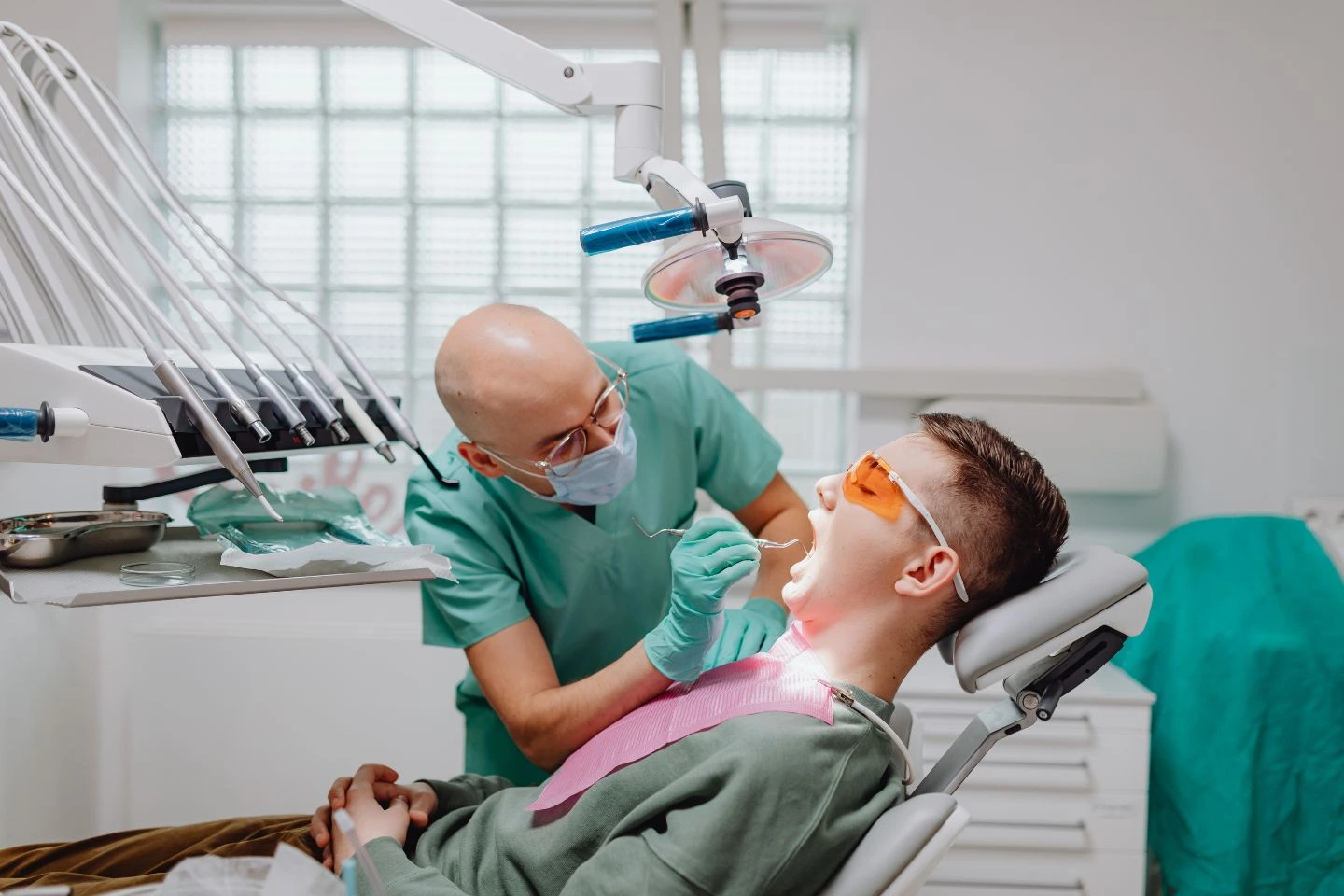
We’ve all heard the rule of thumb since we were kids: schedule a dental checkup every six months. For a lot of people, that rhythm works out nicely. It lines up with routine calendar resets, and it gives you a predictable cadence for keeping your teeth polished and your gums checked. But if you’ve ever wondered whether that six-month interval is an absolute commandment carved in stone, or just a general guideline, you aren't alone.
The truth is a bit more nuanced. While twice-a-year visits are a fantastic baseline for most folks, dental health isn't one-size-fits-all. Your body, your habits, and your medical history all play a role in figuring out what frequency actually keeps your smile in top shape.
Why Routine Preventive Care Matters More Than You Think
It’s easy to put off a dental visit when nothing hurts. Life gets busy, work piles up, and cleaning your teeth at home feels like enough. But preventive dentistry in Walpole, MA is less about a quick polish and much more about staying two steps ahead of trouble.
Think about your car. You don't wait for the engine to seize up before changing the oil; you get routine maintenance to catch minor wear and tear before it turns into a massive repair bill. Your mouth works the same way. Cavities don't usually start with a sudden, throbbing toothache. They begin microscopically, quietly softening enamel long before you feel a single twinge. Gum disease can creep in stealthily, too, causing subtle inflammation that's tough to spot in the bathroom mirror.
When you come in for regular preventive visits, you’re essentially giving your dental team a chance to spot these small shifts early. A quick look, a gentle probing of the gums, and modern diagnostic imaging can catch things while they're still simple, quick, and inexpensive to fix.
The Six-Month Standard: Who Is It For?
So, where did the six-month rule come from anyway? Back in the 19th and early 20th centuries, insurance models and early dental organizations landed on twice-a-year checkups as a solid average for the general population. For someone with good daily hygiene, a balanced diet, and no history of chronic dental issues, visiting every six months is usually right on the money.
During a standard preventive appointment, a few important things happen:
- Professional cleaning: Even the best electric toothbrush at home misses stubborn plaque that hardens into tartar. Once tartar forms, only professional instruments can safely remove it without scratching your enamel.
- Comprehensive evaluation: Your dentist checks for signs of tooth decay, evaluates the integrity of any existing fillings or crowns, and screens your gums for early indicators of gingivitis or periodontitis.
- Oral cancer screening: This is a quick, painless visual and tactile check of your tongue, cheeks, throat, and jaw. Catching oral cancer early can improve treatment outcomes, making this one of the vital parts of your routine visit.
When You Might Need More Frequent Visits
For some patients, a six-month interval is simply not enough. And that's okay! It doesn't mean you're failing at home care; it just means your unique biological or lifestyle factors require a bit more attention.
Your dentist might recommend visiting every three or four months if you fall into certain categories:
A History of Gum Disease
If you've been treated for periodontitis in the past, your gums are more vulnerable to reinfection. Bacteria love to hide deep below the gumline in pockets that standard home flossing can't fully reach. More frequent maintenance cleanings help keep those bacterial levels suppressed before they can damage your jawbone or supporting tissues.
Higher Susceptibility to Cavities
Some people are simply more prone to tooth decay due to genetics, dry mouth, often caused by medications, deep grooves in their back teeth, or enamel composition. If you tend to get a new cavity pop up every time you visit, dialing back the interval to every four months can help intercept decay before it demands a crown or root canal.
Smokers and Tobacco Users
Tobacco use significantly increases the risk of gum disease, oral cancer, and delayed healing after dental procedures. Because smoking can mask early signs of gum inflammation by restricting blood flow, more frequent professional evaluations are a smart safety net.
Managing Chronic Health Conditions
Certain systemic conditions, particularly diabetes, have a direct two-way relationship with oral health. High blood sugar can make it harder to fight off infections, including gum infections. If you are managing diabetes or other immune-compromising conditions, your dental team will likely want to see you more often to help protect both your oral and systemic wellness.
Orthodontic Treatment or Complex Restorations
Braces, clear aligners, bridges, and dental implants require meticulous upkeep. Braces create dozens of tiny new nooks and crannies where food particles love to hide. Popping into the office a bit more frequently helps ensure your gums stay healthy while your bite is shifting or your restorations are settling in.
When Every Twelve Months Might Actually Be Fine
On the flip side, are there people who can stretch their visits to once a year? In rare cases, yes.
If you have an immaculate track record of home care, zero history of cavities or gum disease, excellent saliva flow, and a lifestyle completely free of tobacco or other risk factors, an annual comprehensive exam might be deemed sufficient by your dentist. However, even in these low-risk scenarios, most dental professionals still gently advocate for sticking closer to the traditional timeline just to ensure nothing slips through the cracks between visits.
The Real Cost of Skipping Preventive Care
It’s tempting to skip a visit or two to save a bit of time or money out of pocket. Ironically, though, skipping preventive care almost always costs more in the long run, both financially and physically.
Consider the trajectory of an untreated small cavity. Left alone, it slowly eats through the enamel into the softer dentin layer inside the tooth. At that stage, you might finally feel a dull ache when eating something sweet or cold. By then, a simple, inexpensive filling is often no longer enough; you might need a larger restoration or a crown. Wait a bit longer, and that decay reaches the nerve pulp, requiring a root canal.
Preventive care isn't an added expense; it's an insurance policy against major dental work. Spending an hour in the chair twice a year keeps you out of the chair for hours later on.
What You Can Do Between Appointments
Your relationship with your oral health shouldn't begin and end in the dental chair. What you do in your own bathroom twice a day does the heavy lifting.
- Brush with intention: Two minutes, twice a day, using a soft-bristled brush, manual or electric. Don't scrub your gums raw; use gentle, circular motions. Fluoride toothpaste helps remineralize weak spots in your enamel.
- Clean between your teeth daily: Whether you prefer traditional string floss, interdental brushes, or a water flosser, getting the spaces between your teeth matters. Plaque doesn't care if you hate flossing. It builds up there regardless.
- Mind your diet: Frequent snacking on sticky, sugary foods bathes your teeth in acid for hours. Drinking plenty of water throughout the day helps wash away food debris and keeps your mouth hydrated.
Finding Your Right Rhythm
Ultimately, the best way to determine your ideal dental visit frequency is to have an open conversation with your dentist. At your next checkup, ask them straight out: "Given my specific gums, history, and home habits, do you think I'm good for six months, or should we tighten this up?"
A great dental team will look at the whole picture, explain their reasoning clearly, and work with you to build a preventive routine that fits your life while keeping your smile strong, healthy, and bright for decades to come.
Schedule Your Next Preventive Visit Today
Ready to get back on track or looking for a trusted home for your routine dental care? Unident Dental Group is here to help you protect your smile with comfortable, personalized preventive dentistry in Walpole, MA. Give our friendly team a call today to schedule your next checkup and cleaning!
Frequently Asked Questions
Q: Does a routine dental cleaning hurt?
A: For most people, a standard dental cleaning is completely painless. You might feel some gentle pressure or mild vibration, especially if you have sensitive teeth or a bit of tartar buildup near the gumline. If you experience dental anxiety or hypersensitivity, let your hygienist know ahead of time so they can ensure your visit is as comfortable as possible.
Q: Can I just brush and floss really well at home and skip the dentist?
A: Unfortunately, no. Even the most diligent home brushers miss hard-to-reach areas where plaque accumulates and hardens into calculus (tartar). Once tartar forms, it bonds tightly to the tooth surface and can only be safely removed with specialized professional dental instruments. Plus, home care can't screen for oral cancer, internal decay, or bone loss.
Q: How long does a standard preventive checkup take?
A: A typical routine preventive visit usually takes about 45 minutes to an hour. This typically includes both the professional cleaning performed by a dental hygienist and an examination by the dentist to check for cavities, evaluate your gums, and review your overall oral health.


Hours
Monday: 9 a.m.–4 p.m.
Tuesday: 9 a.m.-4 p.m.
Wednesday: 9 a.m.-5 p.m.
Thursday: 9 a.m.-6 p.m.
Friday: 9 a.m.-6 p.m.
Saturday: Closed
Sunday: Closed




© 2026 Unident Dental Group | All Rights Reserved | Privacy Policy | HIPAA Policy | Website Design by Remedo