
How Often Should You Get an Oral Cancer Screening?
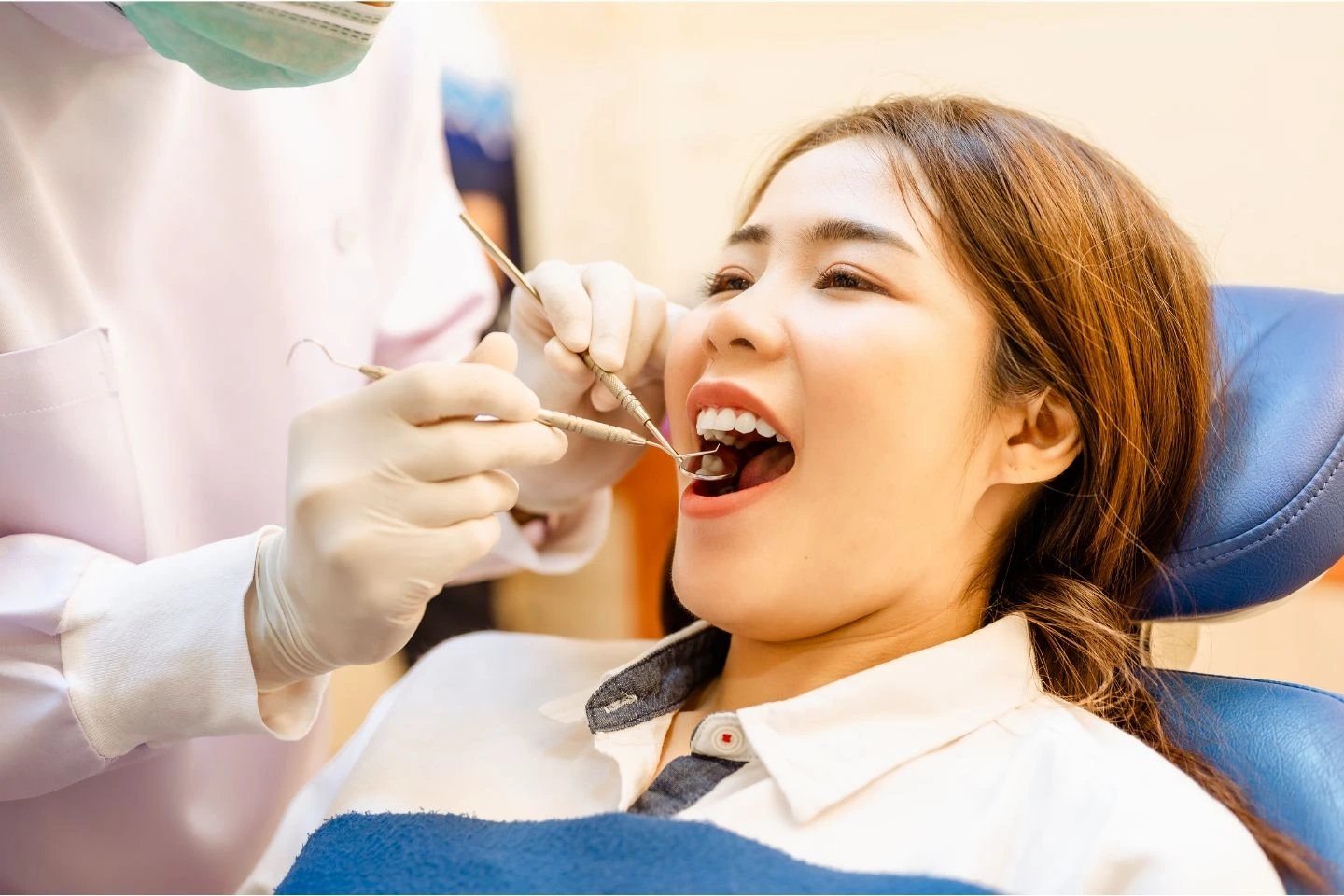
Most of us schedule our dental visits around toothaches, chipped fillings, or the dreaded reminder postcard for a six month cleaning. We picture the chair leaning back, the hum of the polisher, and the familiar scrape of dental tools checking for cavities. We tend to focus entirely on tooth decay, sparkling enamel, and gum health. Yet your routine dental appointment quietly accomplishes something much bigger right beneath the surface. It also plays an important role in supporting your overall health.
When you settle into that chair, your dental team is observing a whole lot more than just your enamel. They carefully scan the soft tissues throughout your mouth, jaw, and neck, searching for subtle shifts that most people would never spot on their own. For anyone visiting Unident Dental Group in Walpole, MA, getting an oral cancer screening in Walpole, MA is a routine part of preventive dental care that typically adds only a few minutes to your visit as part of a comprehensive preventive dental examination.
A common question patients often ask is just how frequently those checks need to happen. Should you request one annually, twice a year, or only when something feels unusual? Let us break down how often screenings occur, what influences your schedule, and why staying consistent supports your oral health.
The Rhythm of Routine Preventive Care
Before diving into specific timelines, it helps to understand how these checks naturally fit into your healthcare routine. In most cases, you do not need to book a separate, standalone appointment just to check for soft tissue abnormalities. Instead, your dentist and hygienist evaluate your mouth during your standard visits.
Because many people schedule cleanings every six months, they end up receiving a soft tissue evaluation twice a year without even having to ask. This regular cadence provides a steady rhythm of observation, allowing your clinical team to identify changes that may require further evaluation.
Why Frequency Matters So Much
Oral health changes rarely happen overnight. They often develop in quiet, subtle ways that cause little or no discomfort in the beginning. If you wait until a sore starts hurting or a patch feels bothersome, changes may have been present for some time.
Regular evaluations may help identify changes earlier. When a clinician looks at your mouth every six months, they become familiar with your normal tissue appearance. If a small spot appears today that was not there during your last visit, they are more likely to notice it. That familiarity can support timely identification of changes that may require further evaluation.
Factors That Might Influence Your Screening Schedule
While twice a year checks during routine cleanings suit the vast majority of patients well, some individuals may benefit from a slightly different approach depending on their personal health background and lifestyle habits.
Your dental team considers several elements when evaluating your oral health needs:
- Tobacco Use: Smoking cigarettes, cigars, pipes, or using smokeless tobacco products can significantly increase the risk of changes in the tissues of the mouth, often prompting more frequent observation.
- Alcohol Consumption: Regular and heavy alcohol use, especially when combined with tobacco products, creates an environment where soft tissues may require closer monitoring.
- Sun Exposure: Chronic, unprotected sun exposure to the face and lips can increase the likelihood of changes affecting the lower lip, making routine inspection of the external mouth tissues especially important.
- Personal History: If you have previously dealt with abnormal tissue growths or oral health concerns, your dentist might recommend checking in more often based on your individual needs.
What Actually Happens During Your Visit?
If you have never paid close attention to this part of your appointment, you might wonder what the check entails. It is entirely noninvasive and quick.
Your clinician gently presses along your jawline and neck to check for lymph node tenderness or unusual lumps. They inspect your lips, pull back your cheeks to view the inner lining, and examine your gums. They will ask you to move your tongue from side to side so they can check underneath it and along the floor of your mouth, a common area where subtle lesions may develop. Finally, they glance at the roof of your mouth and the back of your throat. The whole process takes less than two minutes and blends right into your cleaning.
What Happens If They Spot Something Unusual?
A common worry among patients is what happens if the dentist actually finds a questionable spot during the check. First, take a deep breath. Spotting an unusual patch or sore does not mean you have oral cancer.
Our mouths deal with constant friction, hot coffee burns, and random canker sores all the time. If your dentist notices an area that looks a bit off, they might simply ask you to watch it and drop by for a quick check in two weeks to see if it clears up. If a spot looks more stubborn or has lingered for a while, they could suggest a simple biopsy or connect you with a trusted specialist for a closer look. Prompt evaluation can help determine the cause of the change.
Schedule Your Evaluation Today
Are you due for a checkup, or has it been a while since your last soft tissue evaluation? Taking care of your health is easier than you think with the right team in your corner. At Unident Dental Group in Walpole, MA, we prioritize your overall wellness while keeping preventive care comfortable and straightforward. Reach out to our office today to schedule your visit and request your next comprehensive oral cancer screening in Walpole, MA.
Frequently Asked Questions
Q: How often should I get an oral cancer screening?
A: Many dentists include a soft tissue examination during routine dental visits. The frequency depends on your oral health needs and your dentist's recommendations.
Q: Do I need to request a screening specially, or is it automatic?
A: At many dental offices, including Unident Dental Group, a visual and physical soft tissue examination is often included as part of a routine dental exam.
Q: Is an oral cancer screening painful or uncomfortable?
A: Not at all. The screening is entirely noninvasive and painless. You will only feel the clinician gently looking inside your mouth with a mirror and feeling the outside of your jaw and neck.
Q: Can I check my own mouth for signs of oral cancer at home?
A: Yes. Doing a monthly self examination in front of a bright mirror helps you notice new sores, lumps, or color shifts early. However, home checks do not replace an evaluation by a trained professional.
Q: What are the main risk factors associated with oral cancer?
A: Key risk factors include tobacco use in any form, heavy alcohol consumption, excessive sun exposure to the lips, and certain strains of the human papillomavirus (HPV).


Hours
Monday: 9 a.m.–4 p.m.
Tuesday: 9 a.m.-4 p.m.
Wednesday: 9 a.m.-5 p.m.
Thursday: 9 a.m.-6 p.m.
Friday: 9 a.m.-6 p.m.
Saturday: Closed
Sunday: Closed



© 2026 Unident Dental Group | All Rights Reserved | Privacy Policy | HIPAA Policy | Website Design by Remedo