
Foods That Strengthen Teeth and Support Oral Health
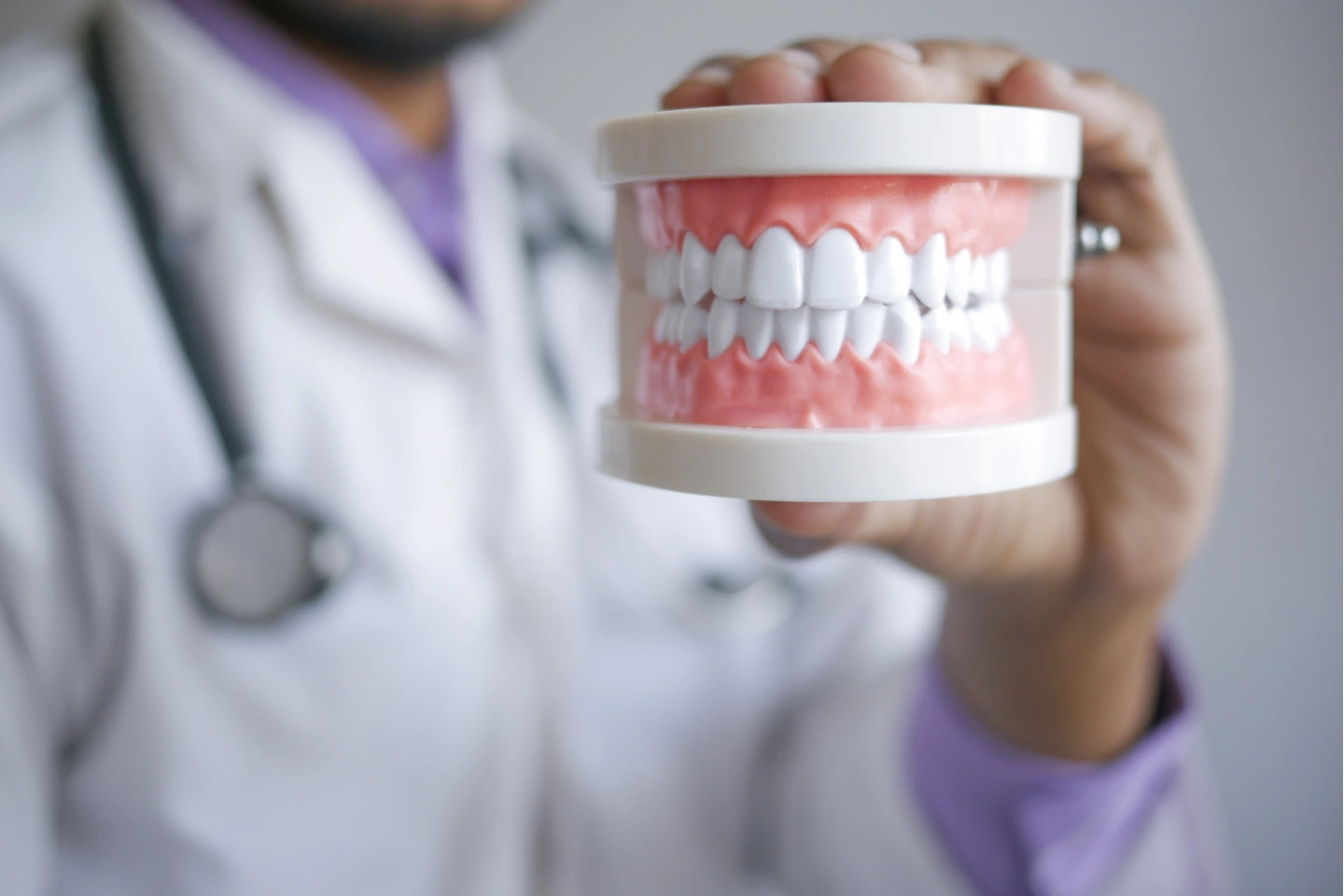
Cutting back on candy and soda is usually the first advice people hear when it comes to avoiding cavities. But keeping your teeth strong is not just about dodging bad choices. What you put on your plate matters just as much. Eating the right foods actively rebuilds enamel, protects your gums, and keeps your entire mouth in balance.
Your teeth go through a constant tug-of-war every day, losing and gaining minerals. Meals high in sugar or acid pull minerals out, while nutrient-rich foods put them right back. Giving your body the right fuel makes it much easier for your teeth and gums to stay resilient over time.
The Key Nutrients Your Smile Relies On
Your teeth rely on specific vitamins and minerals to stay dense and strong, very much like your bones do.
- Calcium: The primary building block for enamel and jawbone density. It keeps enamel hard enough to withstand daily chewing.
- Phosphorus: Pairs directly with calcium to patch up microscopic weak spots on tooth surfaces.
- Vitamin D: Essential for calcium absorption. Without enough Vitamin D, your body simply cannot put calcium to work.
- Vitamin C: Holds the collagen fibers in your gums together, keeping tissue firm and resistant to swelling.
- Antioxidants: Help protect soft tissues from inflammation and support natural healing across your mouth.
Everyday Foods That Protect Your Enamel
Adding tooth-friendly options to your routine does not require a complete diet overhaul. Plenty of everyday foods carry natural benefits for your smile.
Dairy Products Like Cheese, Yogurt, and Milk
Dairy remains a powerhouse for dental health. Cheese, milk, and plain Greek yogurt are packed with calcium and casein, a natural protein that reinforces enamel.
Cheese has a neat extra benefit: chewing it kicks off extra saliva, while its natural compounds quickly balance out acid levels after a meal. Plain yogurt also delivers helpful probiotics that keep bad oral bacteria from taking over.
Crisp, High-Fiber Veggies
Raw carrots, celery, and cucumbers act almost like natural scrubbers. As you bite into them, their fibrous texture sweeps away loose food bits and light surface plaque.
Even better, chewing tough, crunchy veggies forces your mouth to produce plenty of extra saliva. Saliva is your body's built-in defense system, constantly washing calcium and phosphate back over your teeth to repair early surface wear.
Dark Leafy Greens
Spinach, kale, and Swiss chard give you a ton of nutrition without adding calories or sugars. They offer a rich supply of calcium alongside folic acid, a B vitamin known for keeping gum tissue calm and healthy.
Fresh Apples and Pears
Whole fruits contain natural sugars, but firm, crisp options like apples and pears are still great choices. Biting into an apple requires plenty of chewing, which starts a surge of saliva that washes those natural sugars away fast. Pears are especially good at neutralizing surface acids on enamel.
Nuts and Seeds
Almonds, walnuts, cashews, and sesame seeds supply calcium, phosphorus, and healthy fats without any sugar. Walnuts contain omega-3 fatty acids that help keep gum tissue firm, while sesame seeds help scrape away light plaque as you chew.
Smart Beverage Choices for a Healthy Mouth
Because drinks coat every surface in your mouth instantly, what you sip on throughout the day makes a big difference.
- Plain Tap Water: Water is hands down the best drink for your mouth. It rinses away leftover food, prevents dry mouth, and usually carries a safe dose of fluoride to strengthen enamel.
- Unsweetened Teas: Green and black teas contain natural plant compounds that slow down bacterial growth. Green tea also has antioxidants that keep your gums healthy and calm.
Simple Eating Habits That Protect Teeth
Beyond picking the right ingredients, a few small tweaks to how you eat can go a long way.
- Limit Constant Grazing: Every time you eat a snack, your teeth face an acid exposure for roughly 20 to 30 minutes. Keeping meals to set times lets your saliva reset acid levels in between.
- Finish Meals with Water: Swishing a glass of plain water after eating flushes away leftover food particles before bacteria can feed on them.
- Pair Acidic Foods with Water or Dairy: If you love citrus fruits, tomatoes, or berries, eat them alongside cheese or drink water right afterward to buffer the acid.
Professional Care Completes the Picture
A wholesome, nutrient-dense diet forms a strong defense against decay and gum issues. But good eating habits work best when paired with steady home care and routine dental checkups.
If you want to check up on your enamel health or explore preventive dentistry in Walpole, MA, the team at Unident Dental Group is always here to help. We offer straightforward, friendly care to keep your teeth strong for years to come. Give our office a call whenever you are ready to book your next visit.
Frequently Asked Questions
Q: Can eating high-calcium foods really reverse early enamel damage?
A: Yes, early mineral loss on enamel can be reversed through remineralization. Eating foods rich in calcium and phosphorus, along with using fluoride toothpaste, gives your body the exact materials it needs to fix microscopic weak spots before a cavity forms.
Q: Is eating fruit bad for my teeth because of the natural sugar?
A: Whole fruits like apples and berries contain water, fiber, and nutrients that benefit your whole body. Eating whole fruit is far better than drinking fruit juice because the fiber forces you to chew, which boosts saliva flow and protects your enamel.
Q: Are plant-based milks like almond or oat milk as good for teeth as dairy?
A: Many plant milks are fortified with calcium and Vitamin D, making them solid options. Just make sure to pick unsweetened versions, as added sugars in flavored varieties will feed cavity-causing bacteria.
Q: Should I brush right after eating acidic foods like oranges?
A: It is actually better to wait about 30 minutes before brushing after eating acidic foods. Acids temporarily soften enamel, so brushing immediately can wear down the softened surface. Drinking water right after eating helps neutralize the acid while you wait.


Hours
Monday: 9 a.m.–4 p.m.
Tuesday: 9 a.m.-4 p.m.
Wednesday: 9 a.m.-5 p.m.
Thursday: 9 a.m.-6 p.m.
Friday: 9 a.m.-6 p.m.
Saturday: Closed
Sunday: Closed


© 2026 Unident Dental Group | All Rights Reserved | Privacy Policy | HIPAA Policy | Website Design by Remedo