
Dental Sealants: Are They Worth It for Kids and Adults?
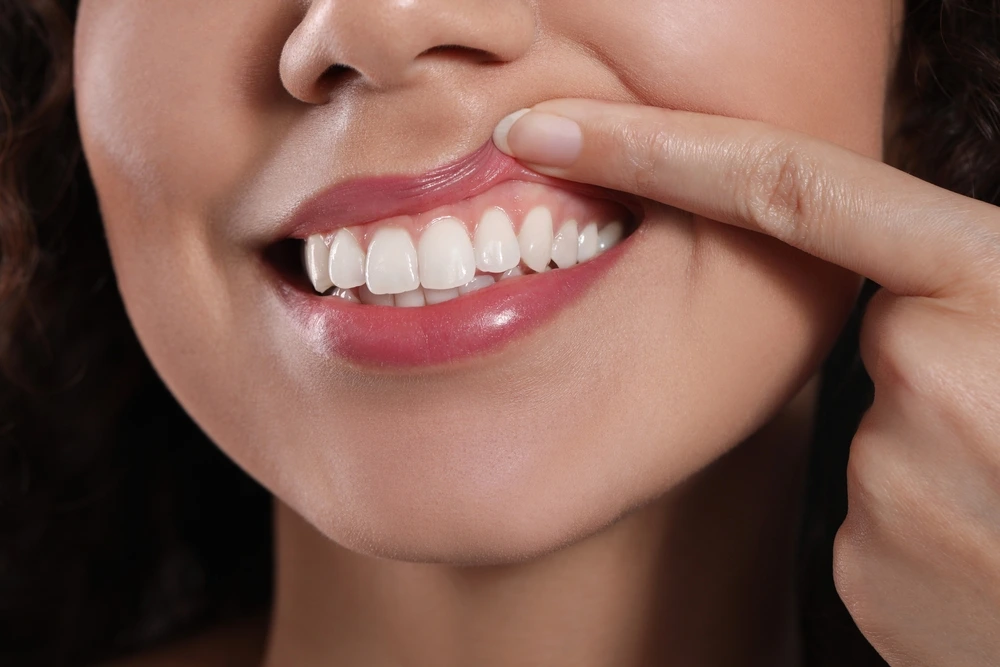
No matter how consistently you brush or how carefully you floss every night, some areas in your mouth are nearly impossible to clean with standard toothbrush bristles. Take a moment to run your tongue over the chewing surfaces of your back molars. You will feel a maze of deep grooves, tiny pits, and uneven valleys. While these textures are great for grinding up tough food, they are just as effective at trapping microscopic food debris and cavity-causing bacteria.
That is where dental sealants come in. Think of a sealant as a lightweight, invisible barrier fitted directly over those vulnerable chewing surfaces. While sealants have long been a go-to in children’s dentistry, plenty of adults are starting to wonder if this quick preventive measure makes sense for them too. Deciding whether sealants are worth the investment comes down to how they work, who benefits most, and where they fit into a normal oral care routine.
What Exactly Are Dental Sealants?
A dental sealant is a thin, protective coating applied right onto the grooved tops of your back teeth, primarily the molars and premolars. Because these back teeth have deep grooves and pits, they can trap food particles and bacteria.
When the liquid sealant material is brushed over the tooth, it flows down into all those microscopic crannies in the enamel. A specialized curing light is then held over the area to harden the material within seconds. Once set, it seals out lingering food particles, plaque, and acids, leaving behind a smooth surface that makes everyday brushing far more effective.
The whole application is completely non-invasive. There is no drilling, no shaving down natural tooth structure, and numbing shots are typically not needed. It is simply a fast, painless line of defense designed to catch trouble before a cavity ever has a chance to take root.
Why Sealants Are Such a Game-Changer for Kids
When parents start looking into options for preventive dentistry in Walpole, MA, sealants almost always top the list of recommendations. The reasoning is pretty straightforward: according to data from the Centers for Disease Control and Prevention (CDC), sealants prevent roughly 80% of cavities in molars for two years post-application and keep shielding against 50% of cavities for up to four years.
Children stand to gain a lot from sealants for a few very practical reasons:
- Developing Brushing Habits: Young kids are still building up their fine motor skills. Even when they try their best, they routinely miss those tricky back corners where food loves to settle.
- Snack Preferences: Childhood diets often lean toward sticky snacks, dried fruit, and starches that cling stubbornly to deep molar grooves.
- Newly Erupted Enamel: When permanent molars first break through the gums, their enamel is still developing and may be more vulnerable to decay.
When Is the Best Time for Kids to Get Sealants?
Timing plays a big role in getting the most out of pediatric sealants. The main goal is applying the coating as soon as permanent molars pop up, well before decay gets a foothold in those grooves.
- First Permanent Molars: These typically erupt right around age 6.
- Second Permanent Molars: These usually make an appearance around age 12.
Sealing these teeth early creates a reliable shield during some of the most cavity-prone years of growing up.
Are Dental Sealants Actually Worth It for Adults?
For years, people assumed sealants were strictly for kids. But tooth decay does not magically stop being a threat once you reach adulthood. Adults get cavities all the time, and fixing or replacing old fillings over a lifetime can quickly take a toll on your wallet and your natural tooth enamel.
So, can adults benefit from sealants? Under the right circumstances, absolutely.
Good Adult Candidates for Sealants
While sealants work wonders for children, adults can reap the same benefits if their teeth fit the bill. You might be an ideal candidate if:
- You Have Naturally Deep Molar Grooves: Some of us are simply born with deeper crevices that trap debris, no matter how meticulous our daily brushing happens to be.
- You Deal with Chronic Dry Mouth: Saliva acts as your mouth's natural rinse, washing away stray food particles and neutralizing acids. If medications or health conditions lower your saliva flow, sealants supply a much-needed extra layer of protection.
- Your Back Teeth Are Decay-Free: Sealants need healthy enamel to bond properly. If your molars do not already have large fillings or active decay, adding a sealant helps keep them in good shape.
- You Get Frequent Cavities: If you keep picking up new cavities despite solid home care, adding a physical barrier gives your enamel a leg up.
It is worth keeping in mind that sealants are generally applied to healthy tooth surfaces rather than large existing fillings or advanced decay. Your dentist will take a close look at your molars first to make sure the enamel is healthy enough before moving forward.
What Happens During the Application Process?
One of the best things about dental sealants is how straightforward and fast they are to apply. The whole process takes just a few minutes per tooth and fits right into a standard cleaning visit.
Here is how a typical appointment goes:
- Detailed Cleaning: The dentist or hygienist cleans the tooth thoroughly to clear away any built-up plaque or food lingering in the deep grooves.
- Drying and Isolating: The tooth is dried off, and small cotton rolls are placed nearby to keep saliva away, since the sealant material needs a totally dry surface to stick.
- Conditioning the Enamel: A mild gel is dabbed onto the chewing surface for a few seconds. This lightly roughens the enamel on a microscopic level so the sealant can form a strong bond.
- Rinsing and Re-Drying: The gel gets washed off completely with water, and the tooth is dried a second time.
- Applying the Coating: The liquid sealant is carefully painted over the grooves, filling in every tiny pit.
- Light Curing: A small blue LED light is held directly over the tooth for about 20 to 30 seconds to set the resin into a firm, durable shield.
Once the light step is done, you can bite down normally, eat, and drink right away. Your tongue might catch a slightly smoother texture for the first day or two, but that feeling blends right in after a short while.
How Long Do Sealants Usually Last?
Dental sealants can protect teeth for many years. Still, they are not entirely indestructible. Over time, heavy biting forces, crunching on ice, or grinding your teeth at night can wear down or chip the material.
During your routine dental checkups, your dental team will take a look at your sealants to check for signs of wear or lifting. If one has thinned out or chipped away, it can often be touched up or reapplied to maintain protection.
Keeping Your Family's Smiles Protected
Preventing a cavity is generally more comfortable and less costly than repairing one later on. By standing as a physical barrier against food particles and daily bacteria, dental sealants offer a simple, proven way to protect vulnerable molars for growing kids and adults alike. Paired with daily brushing, regular flossing, and routine checkups, sealants give your teeth the extra defense they need to stay strong over time.
If you want to explore sealants or other preventive care options for your household, reach out to the team at Unident Dental Group. We are here to help patients of all ages keep their smiles healthy, strong, and confident. Give our office a call today to schedule your next visit.
Frequently Asked Questions
Q: Does getting a dental sealant hurt at all?
A: The application process is generally painless and non-invasive. There is no drilling, shaving of teeth, or numbing injections typically involved, making it a straightforward experience for young kids and adults.
Q: Are the materials used in dental sealants safe?
A: Yes, sealants are widely recognized as safe by major dental organizations, including the American Dental Association and the CDC. The microscopic amount of dental sealant material used bonds securely to the enamel, and current evidence has not identified a health concern from its use when properly applied.
Q: Can a sealant be applied over a tooth that already has a cavity?
A: Generally speaking, sealants are meant for healthy enamel to keep decay away. However, if a tooth shows tiny, early signs of surface enamel discoloration without a full break in the surface, a dentist might seal it to help prevent the lesion from progressing. Active, deeper cavities still need a standard filling first.
Q: Does having sealants mean my child can skip brushing their back teeth?
A: Definitely not. While sealants protect the top grooved surfaces of the molars, they do not cover the sides of the teeth or the tight spaces in between them. Daily brushing with fluoride toothpaste and thorough flossing are still essential for good oral health.


Hours
Monday: 9 a.m.–4 p.m.
Tuesday: 9 a.m.-4 p.m.
Wednesday: 9 a.m.-5 p.m.
Thursday: 9 a.m.-6 p.m.
Friday: 9 a.m.-6 p.m.
Saturday: Closed
Sunday: Closed


© 2026 Unident Dental Group | All Rights Reserved | Privacy Policy | HIPAA Policy | Website Design by Remedo