Dental Implant Cost in Walpole, MA: What You'll Actually Pay in 2026
When you start looking into dental implants to replace missing teeth, the first thing you probably notice is that the pricing you find online is all over the place. It is incredibly frustrating when you just want a straightforward answer. The reality is that the cost of dental implants in 2026 is driven by your specific health needs, and getting a clear quote requires breaking down exactly what goes into that final number.
At Unident Dental Group, we believe in being upfront about the process. We want you to feel confident in your choices, not just about your health, but about your budget too.
Why Is There No Single Price Tag?
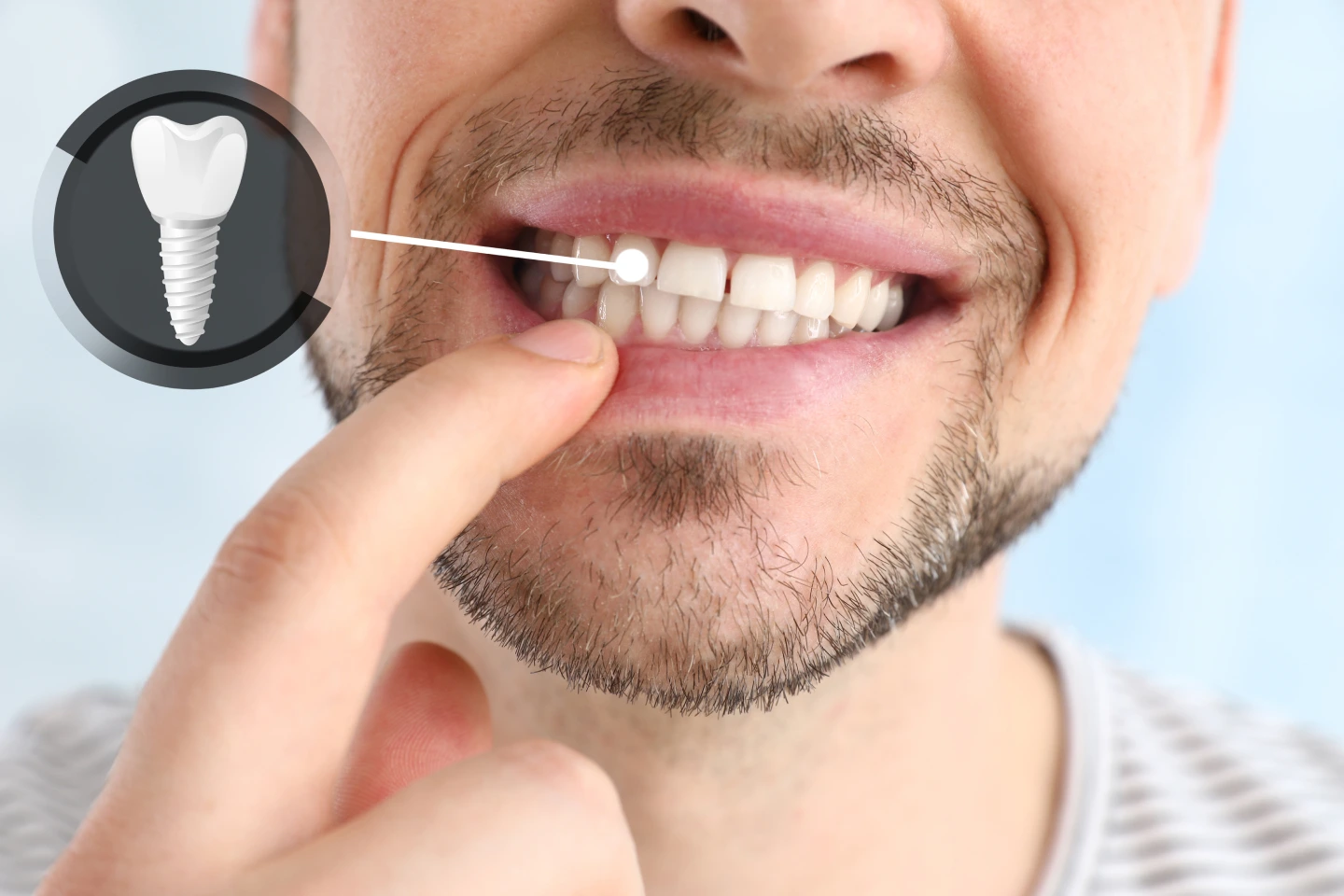
It might seem like a simple procedure, but every mouth is built differently. A dental implant is not just a single piece of hardware you buy off a shelf. It is a system that includes the implant post, the abutment, which is the connector piece, and the final crown that acts as your visible tooth.
When you get a treatment plan, the price usually covers a few different parts:
- Imaging and Planning: Before we even start, we need a clear look at your jawbone using 3D imaging or X-rays. We need to be precise so the implant is placed in exactly the right spot.
- Foundation Work: Not everyone has the perfect amount of bone ready to go. If you need a bone graft or a sinus lift to create a solid base, that is an additional step that factors into the total.
- The Scope of Work: Obviously, replacing a single tooth is a different project than restoring a full arch.
- Custom Restorations: That crown or bridge is made just for you to match the color, shape, and bite of your natural teeth. The materials used here can shift the cost.
- Comfort and Sedation: Your comfort is a huge priority for us. Depending on how complex the case is, you might need different levels of sedation to stay relaxed.
What to Expect in 2026
While costs move around based on the specifics, having a ballpark figure helps with planning. Across the industry, a single dental implant often lands between 3,000 and 5,000 dollars. It is important to remember that this usually covers the whole journey, from the surgical placement of the post to the final custom crown.
The best way to get a number you can actually rely on is to come in and see us. During a consultation, we can look at your specific situation and provide a written plan that lists every detail out for you, so you know exactly where your money is going.
Managing the Investment
We know that implants are a big investment. Most dental insurance plans see this as a major restorative service. While some plans will chip in, many have yearly caps that might limit how much they can contribute toward the total.
If your insurance does not cover the full cost, or if you do not have a plan at all, there are still plenty of ways to make this work:
- Financing Services: Many of our patients use dedicated medical financing. These programs allow you to break the total down into monthly payments that fit your paycheck, often with low or no interest if you pay it off within a certain time.
- Phasing Your Care: If you need work done in a few different areas, we can often stage the treatment out over several months. This helps spread the financial load so it does not feel like a massive hit all at once.
- Office Membership Plans: Some practices have their own programs that provide discounts for patients who do not have standard insurance. It is always worth asking what we have currently available.
Protecting Your Smile for the Long Run
It is easy to get stuck on the price tag today, but it is just as important to think about the long-term value. Dental implants are unique because they are the only option that actually preserves your jawbone. When a tooth is gone, the bone in that spot starts to shrink. Over time, that can change your facial structure and put stress on the teeth you have left.
By picking an implant, you are protecting your jaw and keeping your bite functional for years to come. It is really a one-time investment that, with the right care, can last the rest of your life.
When you visit our office, we want you to feel informed and confident about every aspect of your care. Our team will take the time to explain your treatment options, review your insurance benefits, discuss available financing solutions, and answer any questions you may have. We believe you should always feel comfortable and empowered when making decisions about your oral health. If you're ready to get started, we invite you to contact our team today to schedule your consultation.
Frequently Asked Questions
Q: Does dental insurance usually cover the whole implant?
A: Usually, no. Most plans will help out, but they rarely cover the whole thing. We suggest bringing your insurance info to your visit so we can help you figure out what your specific plan will handle.
Q: Is an implant really better than a bridge?
A: A bridge is a standard choice, but it requires us to reshape the healthy teeth next to the gap to support the bridge. Implants stand on their own. They do not stress out your other teeth, and they are much better for keeping your jawbone healthy.
Q: Will there be hidden costs later on?
A: We hate surprises as much as you do. During your first visit, we will give you a written plan that shows the full cost. We want you to have total clarity before we do anything.
Q: How can I handle the cost if my insurance isn't great?
A: We have helped many patients use monthly payment plans. It really changes the game, allowing you to get the care you need right now and paying it off gradually in a way that fits your life.
Q: What happens if I wait too long to get an implant?
A: If you leave a gap for too long, the bone in that area can start to fade away. If that happens, you might need a bone graft before we can even place the implant, which makes the whole project take longer and cost more. Getting ahead of it is the smartest move.


Hours
Monday: 9 a.m.–4 p.m.
Tuesday: 9 a.m.-4 p.m.
Wednesday: 9 a.m.-5 p.m.
Thursday: 9 a.m.-6 p.m.
Friday: 9 a.m.-6 p.m.
Saturday: Closed
Sunday: Closed



© 2026 Unident Dental Group | All Rights Reserved | Privacy Policy | HIPAA Policy | Website Design by Remedo