
Best Oral Hygiene Habits Recommended by Dentists
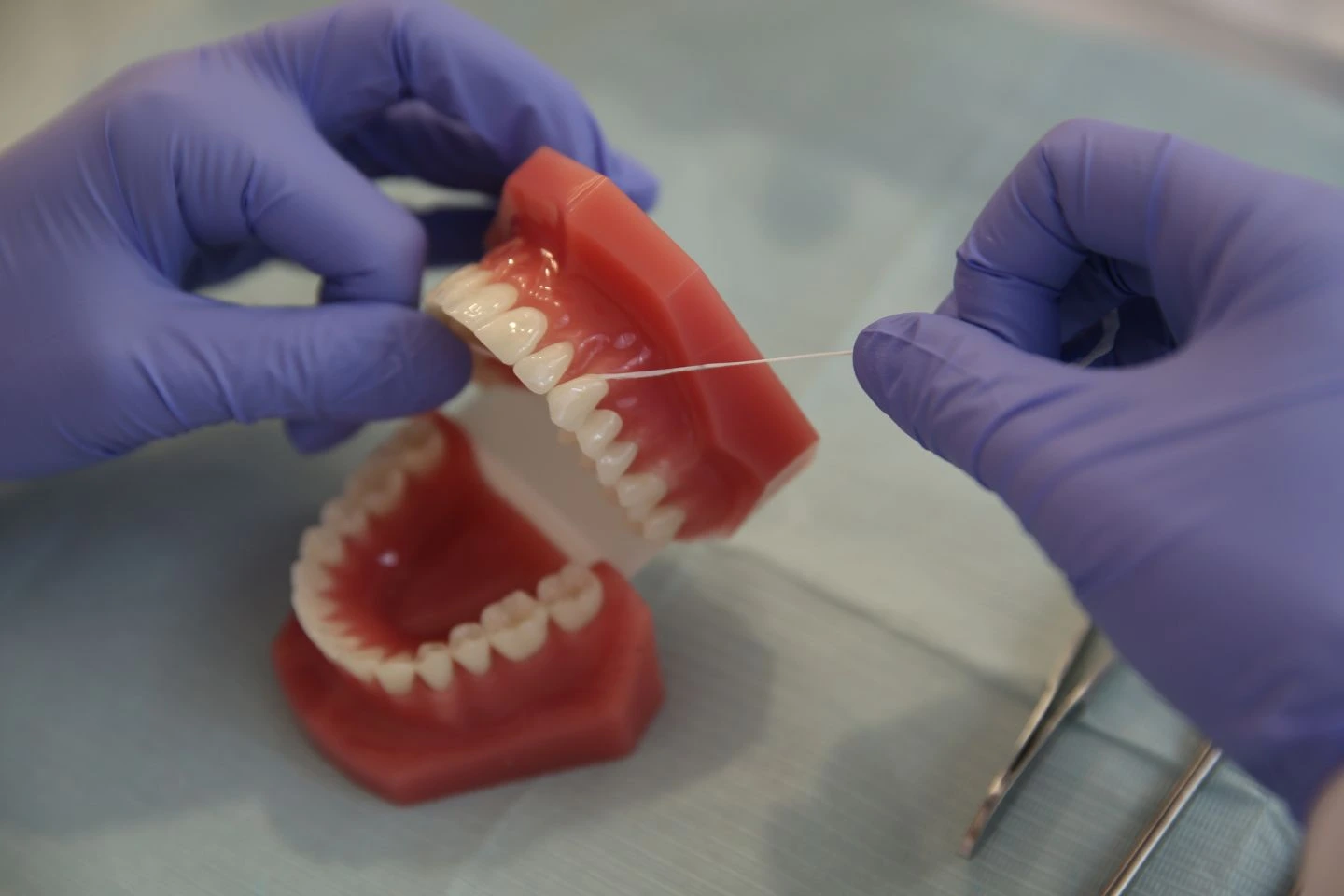
Most of us brush our teeth twice a day without thinking much about it. It is just one of those things you do on autopilot while waking up or getting ready for bed. But going through the motions with a toothbrush does not automatically mean every surface in your mouth is actually getting clean. Rushing through, using old bristles, or constantly skipping the spaces between your teeth leaves plenty of room for plaque to set up shop.
Oral hygiene is not about buying expensive gear or following complicated steps. It really comes down to doing the basics well and keeping up with them day in and day out. Once you understand what works and why, keeping your teeth strong and your mouth fresh gets a whole lot easier.
Daily Habits That Move the Needle
Plaque is that soft, sticky film of bacteria constantly building up on your teeth. Every time you eat or drink, those bacteria feed on leftover sugars and starches, producing mild acids that slowly wear away enamel. The entire goal of your daily routine is simple: disrupt that film before it hardens into tartar.
Fix Your Brushing Angle and Pressure
Brushing for two minutes twice a day is standard advice, but your technique carries most of the weight.
- Aim at a 45-degree angle: Tilt your brush toward the line where your teeth meet your gums. This lets the bristles sweep away plaque hiding right along the margin.
- Stick with soft bristles: Medium or hard bristles can contribute to enamel wear over time and push back delicate gum tissue.
- Go easy on the pressure: Scrubbing hard causes more harm than good. Gentle, small circles work far better than sawing back and forth.
- Hold off right after eating: If you just had coffee, fruit, or anything acidic, wait about an hour before brushing. Acids can temporarily soften enamel, so brushing immediately may contribute to enamel wear.
Clean Between Teeth Every Day
A standard toothbrush cannot effectively clean all the surfaces between your teeth. These tight spots are prime real estate for cavities and gum irritation.
String floss, floss picks, or interdental brushes lift out trapped food and break up bacterial colonies that bristles miss entirely. If string floss feels tricky to maneuver, a water flosser is another option that gets into tight spots with minimal hassle.
Stick with Fluoride Toothpaste
Enamel loses essential minerals throughout the day as you eat and drink. Fluoride helps remineralize early enamel changes before they turn into actual decay. Look for toothpastes with the ADA Seal of Acceptance to make sure your enamel gets fluoride protection.
Don't Ignore Your Tongue
Bacteria do not just stick to enamel; they settle deep into the rough surface of your tongue, too. Giving your tongue a quick brush or using a simple tongue scraper from back to front removes lingering buildup, which makes a huge difference in keeping bad breath at bay.
Should You Add Mouthwash to the Mix?
Mouthwash can be a nice bonus, but it should never take the place of physical brushing and flossing.
- Therapeutic vs. Cosmetic Rinses: Fluoride rinses offer extra enamel protection, while therapeutic antibacterial rinses can help reduce plaque and gingivitis depending on their active ingredients.
- Don't Wash Away Your Toothpaste: If you use a fluoride mouthwash after brushing, avoid immediately rinsing your mouth out with plain water. Spit out the excess and avoid rinsing right away so the fluoride has more time to remain in contact with your teeth.
How Your Food Choices Play a Part
What you eat daily affects your teeth just as much as how well you clean them afterward.
- Cut Back on Grazing: Frequent snacking exposes your teeth to acids more often. Nibbling constantly throughout the day keeps your teeth in a near-continuous acid environment.
- Drink Plenty of Plain Water: Water helps flush away stray food particles, dilutes oral acids, and keeps saliva flowing.
- Eat Crunchy, Fibrous Foods: Fresh veggies like carrots and celery take real chewing work, which stimulates saliva, your mouth's built-in defense against decay.
Why Checkups Fill in the Gaps
Even with great daily habits, small bits of plaque inevitably hide in hard-to-reach spots and harden into tartar over time. Once plaque turns into tartar, standard toothbrush bristles cannot budge it.
Routine checkups allow a dental team to clear that build-up away, check for subtle changes in your enamel, and keep an eye on your gum health before minor issues turn into big projects.
If you want to review your current routine or explore options for preventive dentistry in Walpole, MA, the team at Unident Dental Group is here to help. We offer practical, down-to-earth care to keep your smile healthy over the long run. Feel free to reach out to our office to get your next checkup scheduled.
Frequently Asked Questions
Q: Are electric toothbrushes really better than manual ones?
A: Electric brushes make the job easier because they handle the micro-movements for you and usually include two-minute timers. That said, both electric and manual brushes can be effective when used with good technique and for the recommended amount of time.
Q: Is it better to floss before or after brushing?
A: Either order can work. The important thing is to clean thoroughly between your teeth and along the gumline every day. Flossing before brushing may help loosen food debris and plaque so they can be brushed away afterward.
Q: What causes sudden sensitivity to cold drinks?
A: Cold sensitivity can happen when enamel wears down or when gums pull back slightly, exposing the softer dentin layer underneath. It can also be caused by cavities, cracks, worn fillings, or other dental issues. While desensitizing toothpaste may help, it is always smart to have your dentist check the spot to rule out an underlying problem.
Q: How often do I need a new toothbrush?
A: Plan on replacing your brush or electric head every three to four months. If you notice the bristles bending or spreading out sooner than that, swap it out right away. Frayed bristles lose their ability to clean effectively.


Hours
Monday: 9 a.m.–4 p.m.
Tuesday: 9 a.m.-4 p.m.
Wednesday: 9 a.m.-5 p.m.
Thursday: 9 a.m.-6 p.m.
Friday: 9 a.m.-6 p.m.
Saturday: Closed
Sunday: Closed


© 2026 Unident Dental Group | All Rights Reserved | Privacy Policy | HIPAA Policy | Website Design by Remedo